



 02 9622 4888
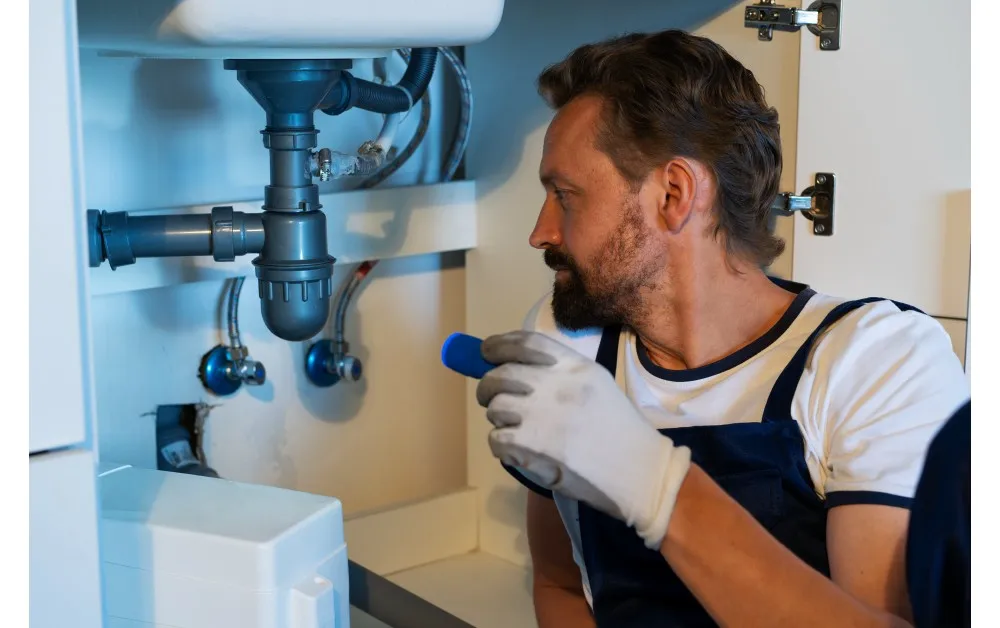
If your taps are gurgling, your water bill just jumped, or a damp patch has appeared on the ceiling, you need a plumber now — not after the problem gets worse. Most burst pipes, sewage backups, and hot water failures don’t happen out of nowhere. They send warning signs for days or even weeks first. Learning to read them is the difference between a $150 callout and a $15,000 water damage claim.
This guide breaks down the 10 most common warning signs, how urgent each one really is, and what to do while you wait for help. It’s written using licensed plumbing experience across Sydney homes, so every sign here is one our team sees on real jobs — not a generic checklist.
How Do I Know I Need a Plumber?
You need a plumber if you notice any of these in your home: slow or gurgling drains, dripping taps, a sudden spike in your water bill, low water pressure, unusual noises in the pipes, damp patches or mould, a lukewarm hot water system, a running or leaking toilet, a rotten-egg or sewage smell, or visible corrosion on pipes and fittings. Any one of these on its own is a warning sign. Two or more happening together usually means the underlying problem is advancing quickly.
Signs You Need a Plumber: At a Glance
| Sign | What It Usually Means | Urgency Level |
| Slow or gurgling drains | Partial blockage or venting issue | Medium — book within days |
| Constantly dripping taps | Hidden leak in pipes or fittings | Medium-High |
| Low water pressure (whole house) | Pipe corrosion, leak, or main supply issue | Medium-High |
| Banging or whistling pipes | Water hammer or loose fittings | Medium |
| Damp patches, stains, or mould | Hidden leak inside a wall or ceiling | High |
| Lukewarm or noisy hot water system | Ageing unit, sediment build-up, or failing element | Medium-High |
| Toilet runs constantly or rocks | Faulty valve, worn seal, or loose base | Medium |
| Sewage or rotten-egg smell | Sewer line fault or gas leak | Urgent |
| Rust, corrosion, or green staining on pipes | Pipe material failing from the inside | High |
1. Slow or Gurgling Drains
A drain that empties slowly, or gurgles after you flush the toilet or run the washing machine, is telling you air is trapped somewhere it shouldn’t be. That usually points to a partial blockage building up further down the line — grease, tree roots, or hair and soap scum are the most common culprits in Sydney homes.
What to do: Stop pouring oil, coffee grounds, or wet wipes down the drain, and avoid chemical drain cleaners, which can corrode older pipework. If more than one drain in the house is affected at the same time, the issue is likely in the main line, not just one fixture. Our blocked drains Sydney team uses camera inspection to find the exact location before recommending a fix.
2. Taps That Won’t Stop Dripping
A dripping tap wastes far more water than it looks like — a single dripping tap can waste over 15 litres a day. It’s usually a worn washer, O-ring, or cartridge, and it’s one of the cheapest plumbing problems to fix while it’s small. Left alone, the constant water flow can wear down the tap body or valve seat, turning a $10 part into a full leaking taps replacement.
3. Your Water Bill Jumped for No Reason
If your usage habits haven’t changed but your bill has climbed, a hidden leak is the most likely explanation. Underground pipe leaks, a running toilet, or a fault in an irrigation line can waste thousands of litres before you ever see a puddle. Checking your water meter is a reliable first step: turn off every tap and appliance in the house, then watch the meter for 15 minutes. If it’s still moving, water is escaping somewhere. Read our full breakdown of why your water bill might be high for a step-by-step check.
4. Low Water Pressure Across the Whole House
Weak pressure in one shower head is usually a blocked aerator you can clean yourself. Weak pressure everywhere is a different story — it often points to mineral build-up in ageing pipes, a leak reducing supply, or a fault with the water main itself. This is common in older Sydney suburbs with original galvanised steel plumbing. See our guide on low water pressure causes for the most likely reasons in your area.
5. Banging, Whistling, or Rattling Pipes
Loud bangs when you shut off a tap (known as water hammer) usually mean loose pipe fittings or a faulty air chamber. Whistling can indicate a partially closed valve or a small leak forcing water through a narrow gap. Neither is usually an emergency on day one, but the vibration these noises cause loosens joints over time, which is exactly how small leaks turn into burst pipes.
6. Damp Patches, Water Stains, or Mould
Bubbling paint, a soft patch of ceiling, discolouration on a wall, or a musty smell almost always means water is sitting somewhere it shouldn’t be — usually inside a wall cavity or under flooring. This is one of the most urgent signs on this list, because mould can start growing within 24 to 48 hours of a leak starting, and structural timber can weaken the longer moisture sits against it. For more detail on the timeline, see how fast mould grows after a water leak.
7. Hot Water That’s Lukewarm, Slow, or Noisy
A hot water system nearing the end of its life will usually give you notice: inconsistent temperature, longer wait times, rumbling or popping sounds from the tank, or rust-coloured water. Sediment build-up is often the cause in hard water areas, and it forces the unit to work harder, which shortens its lifespan further. If your system is more than 8–10 years old and showing any of these signs, get it assessed before it fails completely — usually overnight or on a weekend. Our hot water repairs team can tell you within one visit whether a repair or replacement makes more financial sense.
8. A Toilet That Runs Constantly or Rocks When You Sit
A toilet that keeps refilling after you flush is usually a worn flapper valve or float mechanism — an easy, inexpensive fix that can waste hundreds of litres a day if ignored. A toilet that rocks or shifts when you sit on it is a different concern: it often means the wax seal at the base has failed, which allows water to leak beneath the floor with every flush. That’s a much bigger repair if it’s left long enough to damage subflooring. Book our leaking toilets service before either issue spreads.
9. A Sewage Smell or Rotten-Egg Odour
Treat this one as urgent. A sewage smell from a drain, toilet, or yard usually means a blocked or damaged sewer line venting gas back into your home — a health hazard as well as a plumbing one. A rotten-egg smell near a gas appliance is different and more dangerous: it can indicate a gas leak. If you smell gas, turn off the appliance, avoid switches or flames, ventilate the area, and call a licensed gas fitter immediately. Our gas fitting technicians are fully licensed to locate and repair gas leaks safely.
10. Rust, Corrosion, or Green Staining on Visible Pipes
Orange or brown staining on a pipe usually means steel components are corroding from the inside. Green or blue-green staining on copper pipe fittings signals a slow leak reacting with the metal. Either sign means the pipe’s structural integrity is already compromised — it’s a question of when it fails, not if. Ageing pipework is one of the leading causes of sudden water pipe repair callouts across Sydney, particularly in homes built before the 1990s.
Don’t wait for a puddle to call a plumber
Book a same-day inspection with JG Wilson Emergency Plumbers and stop small issues before they become expensive ones. Get a fast quote now
Why Early Action Saves Sydney Homeowners Money
Every one of the signs above follows the same pattern: cheap to fix early, expensive to fix late. The table below shows how that plays out in practice.
| Problem Caught Early | Typical Early Fix | Problem Left Untreated | Typical Result |
| Dripping tap | Washer replacement | Ignored for months | Corroded tap body, full replacement |
| Slow drain | Drain clean and inspection | Ignored for weeks | Full blockage, potential pipe damage |
| Damp ceiling patch | Leak detection and pipe repair | Ignored for weeks | Mould remediation, ceiling replacement |
| Rusty pipe section | Section replacement | Ignored | Burst pipe, water damage to floors and walls |
| Noisy hot water unit | Service or part replacement | Ignored | Full system failure, no hot water |
This is the core reason licensed plumbers recommend annual inspections rather than waiting for a failure. A trained eye can catch corrosion, pressure issues, and early leaks that aren’t obvious to a homeowner during a routine walk-through. If it’s been over 12 months since your last check, our guide on how often you should service your plumbing explains what a proper inspection should cover.
When It’s a True Emergency vs When You Can Book Ahead
Not every plumbing issue needs a call at 2am. Here’s a simple way to decide:
Call an emergency plumber immediately if:
- Water is actively flooding a room or can’t be stopped at the tap
- You smell gas or rotten eggs near an appliance
- Sewage is backing up into a sink, bath, or toilet
- You have no water at all to the whole house
- A ceiling or wall is visibly sagging from water weight
Book a standard appointment if:
- A tap is dripping but not spraying
- A drain is slow but still draining
- Water pressure has dropped gradually over weeks
- A toilet runs occasionally but still flushes properly
If you’re ever unsure which category applies, it’s safer to call and ask. Our emergency plumbers Sydney team is available 24 hours a day, including after-hours callouts, specifically so homeowners don’t have to make that judgement call alone.
What to Do While You Wait for a Plumber
- Locate your main water shut-off valve now, before you need it — usually near the water meter or where the supply enters the house.
- Turn off the water at the mains if a leak is active and you can’t isolate it at the fixture.
- Switch off electricity to affected areas if water is near powerpoints or fixtures, for safety.
- Move furniture and valuables away from damp areas to limit damage.
- Don’t use chemical drain cleaners on a blockage you plan to have professionally inspected — they can complicate the diagnosis and damage older pipes.
- Photograph the damage for insurance purposes before cleanup begins.
Why Sydney Homeowners Trust JG Wilson Emergency Plumbers
JG Wilson Emergency Plumbers has been operating in Sydney since 1991, which means three decades of experience diagnosing exactly these warning signs across every type of property, from Federation-era homes with original pipework to new-builds with modern systems. Every job is backed by upfront, fixed-rate pricing and a lifetime labour guarantee, so there are no surprise costs once the work begins. The team covers all Sydney suburbs, seven days a week, with same-day service on urgent jobs.
If any of the signs above sound familiar, it’s worth getting a second opinion before the problem escalates. You can see the full range of services on our plumbing services page, or read more about why Sydney homeowners choose us.
Spotted one of these signs in your home?
Get it checked before it turns into an emergency repair. JG Wilson Emergency Plumbers offers same-day service across Sydney.
FAQs
How do I know if my plumbing problem is an emergency?
It’s an emergency if water can’t be stopped, you smell gas, sewage is backing up, or you’ve lost water to the entire house. If the issue is contained and not actively worsening, it can usually wait for a scheduled appointment.
What is the most common sign of a hidden water leak?
An unexplained rise in your water bill combined with a moving water meter, even when every tap and appliance is switched off, is the clearest sign of a hidden leak.
Can a small plumbing leak really cause serious damage?
Yes. A slow leak inside a wall or ceiling can lead to mould within 24 to 48 hours and can weaken structural timber over weeks, turning a simple pipe repair into a much larger repair bill.
How much does an emergency plumber cost in Sydney?
Costs vary depending on the time of day, the issue, and how urgent the callout is. JG Wilson Emergency Plumbers provides upfront, fixed-rate pricing before any work begins, so there are no surprise costs.
Should I try to fix a plumbing problem myself before calling a plumber?
Simple maintenance like clearing a sink strainer is fine. Anything involving the water main, gas lines, or a suspected hidden leak should go to a licensed plumber, since incorrect DIY repairs often make the underlying problem worse.
How often should I have my plumbing inspected to avoid emergencies?
Once a year is the general recommendation for most Sydney homes, with more frequent checks for older properties or homes with a history of pipe corrosion.


Comments are closed