



 02 9622 4888
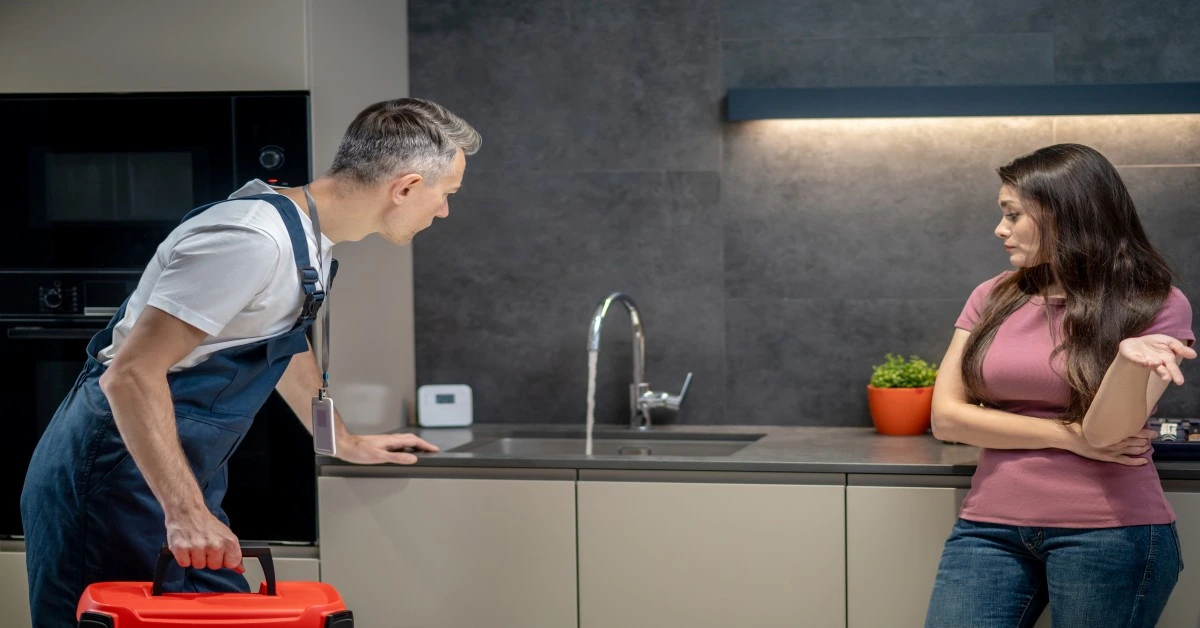
A weak shower, a tap that barely fills a glass, or a hose that dribbles instead of flows — low water pressure is one of the most common plumbing complaints across Sydney. And in most cases, it has a clear, fixable cause.
This guide covers every reason your water pressure may have dropped, how to tell which one is affecting your home, what you can fix yourself, and when you need a licensed plumber. Whether you’re in a Federation terrace in the Inner West, a unit block in Parramatta, or a new estate in Blacktown, the answers are here.
What Is Normal Water Pressure in Sydney?
Sydney Water maintains mains supply pressure at between 200 and 500 kPa across the network. At the tap inside a typical home, healthy pressure sits between 200 and 350 kPa.
Properties at higher elevations — such as parts of the Hills District, Penrith, or the Northern Beaches — may naturally experience pressure at the lower end of that range. This is normal. But if you’re noticing noticeably weak flow across multiple taps, something has changed.
Is the Problem Inside Your Home — or on the Street?
This is the first question to answer, and many homeowners skip it.
If every tap in your home suddenly loses pressure at the same time, the issue may not be your plumbing at all. Sydney Water occasionally carries out water main upgrades, pressure zone management, emergency repairs, and valve replacements. Any of these can temporarily reduce pressure in certain suburbs without warning.
Before assuming you have a plumbing fault, step outside and ask your neighbours. If they’re experiencing the same issue, contact Sydney Water directly on 13 20 90 or check their outage map online.
Once you’ve ruled out a network issue, the cause is inside your property — and that’s where JG Wilson Emergency Plumbers can help.
Common Causes of Low Water Pressure in Sydney Homes
1. Corroded or Blocked Galvanised Pipes
This is one of the most common causes of low water pressure in older Sydney suburbs.
Many homes built before the 1970s — particularly Federation-era houses in the Inner West, Surry Hills, Newtown, and Balmain — still have original galvanised steel pipes. Over decades, these pipes corrode from the inside. Rust and mineral deposits build up, gradually narrowing the internal diameter and restricting flow.
The effect is progressive. You may notice pressure dropping slowly over months, or find that some taps are worse than others. A pressure test at the meter versus at the tap will confirm if your internal pipework is the restriction.
Fix: In most cases, pipe relining or pipe replacement is the long-term solution. A licensed plumber can inspect and assess without digging up your entire property.
2. A Failing Pressure-Reducing Valve (PRV)
Pressure-reducing valves are a standard fitting in most newer Sydney homes, particularly in developments across Western Sydney suburbs like Blacktown, Ryde, and Castle Hill. They’re designed to protect your internal plumbing from high mains pressure.
When a PRV starts to fail, the symptoms appear across the whole house at once:
- Weak showers
- Slow-filling taps and toilet cisterns
- Inconsistent hot and cold pressure
- Poor flow from the garden tap
PRVs have a lifespan of roughly 8 to 12 years. If yours is older, a failing valve is a likely cause. A licensed plumber can test, adjust, or replace a PRV the same day.
3. Hidden Water Leaks
An underground or in-wall leak doesn’t just waste water — it silently bleeds pressure from every tap in your home. Leaks are common in older Sydney suburbs where pipes have been under the ground for decades.
Watch for these signs:
- Unusually high water bills with no change in usage
- Damp patches on lawns or garden beds when it hasn’t rained
- A water meter that keeps spinning after all taps are turned off
- Pressure that seems to drop further the longer you run the water
The meter test is simple: turn off everything that uses water, note the meter reading, wait 30 minutes, and check again. If the reading has changed, you likely have a leak that needs professional leak detection.
4. A Closed or Partially Open Shut-Off Valve
This sounds too simple, but it’s more common than you’d think. If your water pressure dropped suddenly after a recent repair, renovation, or meter inspection, someone may have closed your shut-off valve and not fully reopened it.
The main isolation valve is typically located near the water meter at the front of your property. Turn it fully anti-clockwise until it stops. If that restores pressure, you’ve found your fix.
5. Mineral Build-Up in Tap Aerators and Shower Heads
If only one tap or shower has low pressure, the fixture itself is often the culprit rather than the pipes.
Sydney’s water supply carries natural minerals that gradually build up inside tap aerators and shower head nozzles. This is especially common in areas supplied by the Warragamba system. Over time, these deposits restrict flow significantly.
This is a straightforward DIY fix — and we cover it in the checklist below.
For persistent shower pressure issues, our shower heads plumbing service can replace or upgrade fixtures quickly.
6. Sydney Water Mains Work or Seasonal Demand
During Sydney’s summer months, water demand across the network increases significantly. Homes at higher elevations or on older infrastructure — including parts of Sutherland Shire, Penrith, and the Northern Beaches — can notice reduced pressure during peak morning and evening usage periods.
This type of pressure drop is typically temporary. If it’s consistent and ongoing, have a plumber check your PRV and internal pipework.
7. Low Pressure Only in Apartment Buildings
If you live in a unit block in Parramatta, Ryde, or Sydney CBD, low pressure on upper floors is a different problem. High-rise and mid-rise buildings typically rely on a booster pump to maintain adequate pressure above the third or fourth floor.
When that pump ages or fails, residents on higher floors notice the impact first. This is a body corporate or building management issue — but JG Wilson Emergency Plumbers can diagnose and advise on the right fix.
DIY Checks — Do These Before Calling a Plumber
Work through this checklist before booking a service call. These checks take less than 15 minutes and may save you the cost of a visit.
| Check | What to Look For |
| Check every tap | Is it one tap or all of them? |
| Ask your neighbours | Is it a Sydney Water network issue? |
| Clean tap aerators | Unscrew, soak in vinegar 30 min, rinse, refit |
| Open isolation valves fully | Especially after recent maintenance |
| Run the meter test | Note reading, wait 30 min, check again for leaks |
| Check the water meter | Is it spinning with everything turned off? |
| Is only hot water affected? | May indicate a hot water system fault |
If only your hot water pressure is low, the issue is likely your hot water unit — check for a closed cold-water inlet valve on the unit itself, or a faulty tempering valve. Our hot water repairs team can diagnose and fix same-day.
Not sure what’s causing your low water pressure?
JG Wilson Emergency Plumbers offer same-day diagnosis across Sydney — no call-out fee on booked jobs.
When Low Water Pressure Becomes a Plumbing Emergency
Most low pressure situations are not emergencies — but some are.
Call an emergency plumber immediately if:
- Pressure drops suddenly and completely across your whole home
- You find flooding, water damage, or burst pipes alongside the pressure drop
- Your water meter is spinning fast with everything turned off
- You smell damp in walls or ceilings alongside pressure loss
- The problem starts after heavy rainfall or ground movement
If your Sydney home’s water pressure suddenly collapses after a burst pipe, flooding, or storm damage, the situation can escalate fast. A hidden or burst pipe that isn’t addressed within hours can damage walls, foundations, and electrical systems. Contact an emergency plumber in Sydney without delay.
JG Wilson Emergency Plumbers are available 24 hours a day, 7 days a week. Call 02 9622 4888 any time.


Comments are closed