



 02 9622 4888

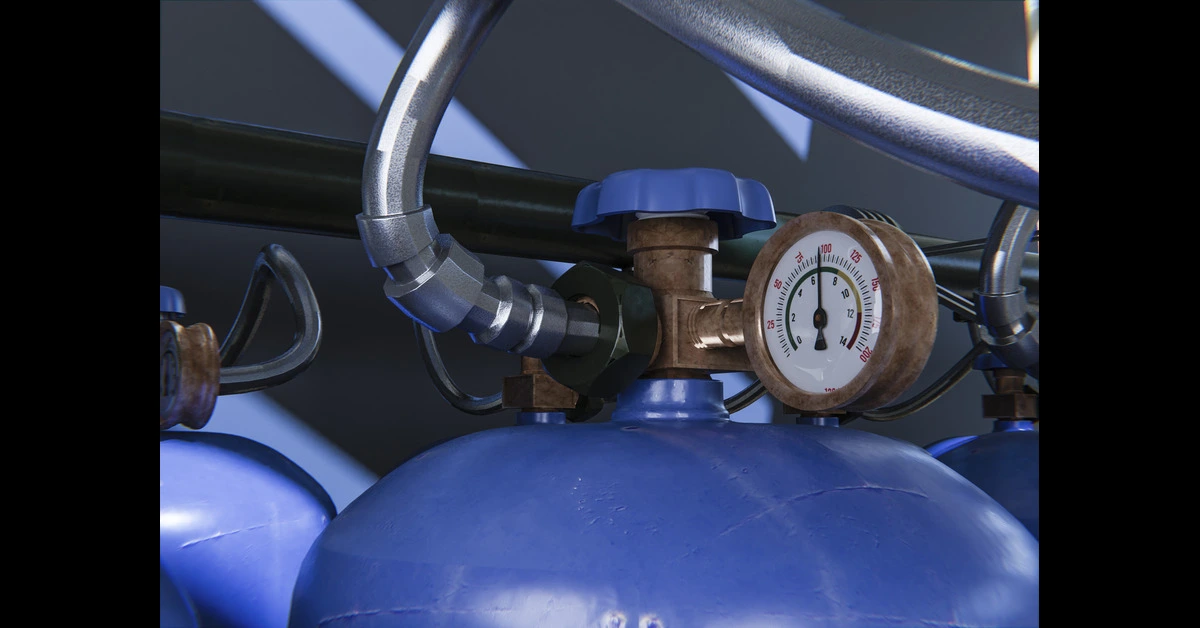
You cannot see natural gas. You may not hear it. By the time you notice a problem, the risk may already be serious.
The main gas leak warning signs are a rotten egg smell, a hissing sound near gas lines or appliances, yellow or orange burner flames, soot around appliances, dead plants over a gas line, headaches or nausea at home, a pilot light that keeps going out, and an unexplained rise in your gas bill. If you smell gas, leave the property and call for help from outside.
This guide from JG Wilson Emergency Plumbers explains each sign, what it means and what to do next
Smell gas or hear hissing
Leave the property, then call JG Wilson Emergency Plumbers.
If You Smell Gas Right Now
Do this first. Read the rest of the article later.
- Leave the property immediately. Take everyone with you, including pets.
- Do not touch light switches, electrical appliances or anything that could spark.
- Do not use flames. No lighters, matches or cigarettes.
- Open doors and windows on your way out if it is safe and quick.
- Call from outside. Ring 000 if there is immediate danger. Also call your gas network’s emergency line.
- Stay outside until a licensed professional says it is safe.
For Sydney, the gas network is typically Jemena (check your gas bill for the current emergency number). Keep that number saved in your phone.
Gas Leak Warning Signs
| Warning sign | What you notice | Urgency |
| Rotten egg smell | Sulphur-like odour indoors or outdoors | Emergency: leave now |
| Hissing or whistling | Sound near pipes, meter or appliance | Emergency: leave now |
| Yellow or orange flame | Burner flame is not steady blue | Stop using the appliance |
| Soot or staining | Black marks around appliance or flue | Stop using the appliance |
| Dead plants | Brown patches along a gas line | Call a gasfitter promptly |
| Physical symptoms | Headache, nausea, dizziness at home | Leave and get fresh air |
| Pilot light going out | Pilot light keeps failing | Call a gasfitter |
| Rising gas bills | Higher use with no change in habits | Book an inspection |
1. A Rotten Egg Smell
A rotten egg or sulphur smell is the most common sign of a gas leak. Natural gas has no smell on its own. Suppliers add a chemical called mercaptan so people can detect it.
- A strong smell means act now.
- A faint smell still needs attention. Do not wait to see if it fades.
- Some people cannot smell it well, especially with a cold, so do not rely on smell alone.
2. Hissing or Whistling Sounds
A hiss near a gas pipe, meter or appliance can mean gas is escaping under pressure.
- Check around the gas meter, cooktop, heater and hot water system.
- Treat a hiss with a gas smell as an emergency.
- Do not search for the source with a flame or by touching connections.
3. Yellow or Orange Burner Flames
A healthy gas flame burns blue. A yellow or orange flame can signal incomplete combustion, which can release carbon monoxide.
- Look at your cooktop, heater and hot water system burners.
- A flickering or lazy flame is also a warning sign.
- Stop using the appliance and book a licensed gasfitter to inspect it.
4. Soot, Stains or Scorch Marks
Black marks around a gas appliance, flue or vent suggest poor combustion.
- Check the wall above heaters and around hot water units.
- Look for sooty residue or discoloured paint.
- Do not clean it off and carry on. The cause needs fixing.
5. Dead Plants Over a Gas Line
Gas leaking from an underground pipe can starve plant roots of oxygen. You may see a strip of dead grass or wilted plants in an otherwise healthy garden.
- Look along the path of buried gas lines.
- Notice bubbling in wet soil or puddles near a line.
- Call a gasfitter if you see a pattern with no clear cause.
6. Headaches, Nausea or Dizziness at Home
Physical symptoms are a serious sign, especially if they ease when you leave the house.
- Common symptoms include headaches, nausea, dizziness, tiredness and breathlessness.
- Pets may become unwell or lethargic.
- If symptoms appear together in several people, leave and get fresh air immediately.
If anyone feels very unwell, call 000.
7. A Pilot Light That Keeps Going Out
A pilot light that will not stay lit can point to a fault in the appliance, a draught or a gas supply problem.
- Do not keep relighting it repeatedly.
- Stop and have the appliance checked.
8. An Unexplained Rise in Gas Bills
A sudden jump in usage with no change in habits can signal a slow leak.
- Compare this season with the same period last year.
- Rule out colder weather or extra guests first.
- If the rise has no clear cause, book an inspection.
Spotted one of these signs?
Don’t guess. Call now to book a licensed inspection with JG Wilson Emergency Plumbers
Gas Leak or Carbon Monoxide? Know the Difference
They are different hazards, and both are dangerous.
| Feature | Gas leak | Carbon monoxide |
| What it is | Unburnt gas escaping | Toxic gas from poor combustion |
| Smell | Rotten egg odour | None |
| Main risk | Fire and explosion | Poisoning |
| Warning signs | Smell, hissing, dead plants | Headaches, soot, yellow flames |
| First step | Leave and call from outside | Leave, get fresh air, call 000 if unwell |
Carbon monoxide has no smell, so symptoms and appliance warning signs matter more. Consider installing a carbon monoxide alarm that meets Australian standards.
What About LPG?
Homes with gas bottles face the same risks. LPG is heavier than air, so it can pool near the ground. Keep bottles upright, outdoors and in a ventilated spot. If you smell gas near a bottle, leave the area and call for help.
Where Gas Leaks Commonly Start
Most leaks begin at joints, connections and ageing parts.
- Cooktop and oven connections
- Gas heaters and flexible hoses
- Hot water systems and flues
- Meter connections and regulators
- Older buried pipes
Regular inspection catches wear early. If you are also checking the meter, our guide on how to check your gas meter for a leak explains the process. Treat any smell of gas as an emergency before trying any test.
What Not to Do
- Do not try to repair gas pipes or appliances yourself. Gas work must be done by a licensed gasfitter.
- Do not turn electrical switches on or off.
- Do not go back inside to collect belongings.
- Do not ignore a faint smell.
- Do not assume it is safe because the smell has gone.
When to Call a Licensed Gasfitter
Book a professional if:
- You see yellow flames, soot or stains
- A pilot light will not stay lit
- You have older gas lines or appliances
- You have just moved into a property
- You are installing or moving a gas appliance
- Your gas bill has risen without explanation
A licensed gasfitter can pressure test the system, inspect appliances and make repairs that meet safety standards. If it happens at night or on a weekend, our after-hours plumbers in Sydney are ready to respond.
How to Reduce Your Risk
- Service gas appliances regularly.
- Replace ageing hoses and connections.
- Keep vents and flues clear.
- Teach everyone in the home where the gas shut-off valve is.
- Fit carbon monoxide alarms.
- Check gas appliances before long trips. Our plumbing safety tips before going on holiday include a pre-travel checklist.
Need a gas safety check before winter or a long trip?
Call JG Wilson Emergency Plumbers now.
Why Trust JG Wilson Emergency Plumbers
Our licensed team responds to urgent plumbing and gas-related call-outs across Sydney, day or night. We explain what we find, quote clearly and put safety first.
FAQs
What are the first signs of a gas leak?
A rotten egg smell is the first sign for most people. Others include a hissing sound near gas lines, yellow flames on burners and headaches at home.
What does a gas leak smell like?
It smells like rotten eggs or sulphur. Suppliers add this odour to natural gas so leaks are easy to notice.
Can you have a gas leak without smelling it?
Yes. Some people have a reduced sense of smell, and some leaks are small or in ventilated areas. Watch for sounds, flame colour, symptoms and dead plants as well.
Is a small gas leak dangerous?
Yes. Even a small leak can build up in a closed space and cause fire, explosion or health effects. Never ignore it.
What should I do if I smell gas in my house?
Leave immediately, avoid switches and flames, and call for help from outside. Ring 000 for immediate danger and your gas network’s emergency line.
Can a gas leak make you sick?
Yes. Headaches, nausea, dizziness and tiredness are common. If symptoms ease when you leave the house, treat it as a warning sign.
Should I open windows if I smell gas?
Open doors and windows if it is safe and quick, but leaving the building is the priority. Do not stay inside to ventilate.
Who do I call for a gas leak?
Call 000 if there is immediate danger, then your gas network’s emergency line, then a licensed gasfitter. In Sydney, you can also call JG Wilson Emergency Plumbers on 02 9622 4888.
How can I tell if my gas appliance is leaking?
Look for yellow or orange flames, soot, a pilot light that will not stay lit, or a gas smell near the appliance. Stop using it and book a licensed inspection.
Gas leaks give warnings. Know the signs: the smell, the hiss, the flame colour, the soot and the symptoms. If you notice any of them, act early and let a licensed professional handle the repair.
Gas safety can’t wait.
Call JG Wilson Emergency Plumbers for urgent help or a safety inspection.


Comments are closed