



 02 9622 4888
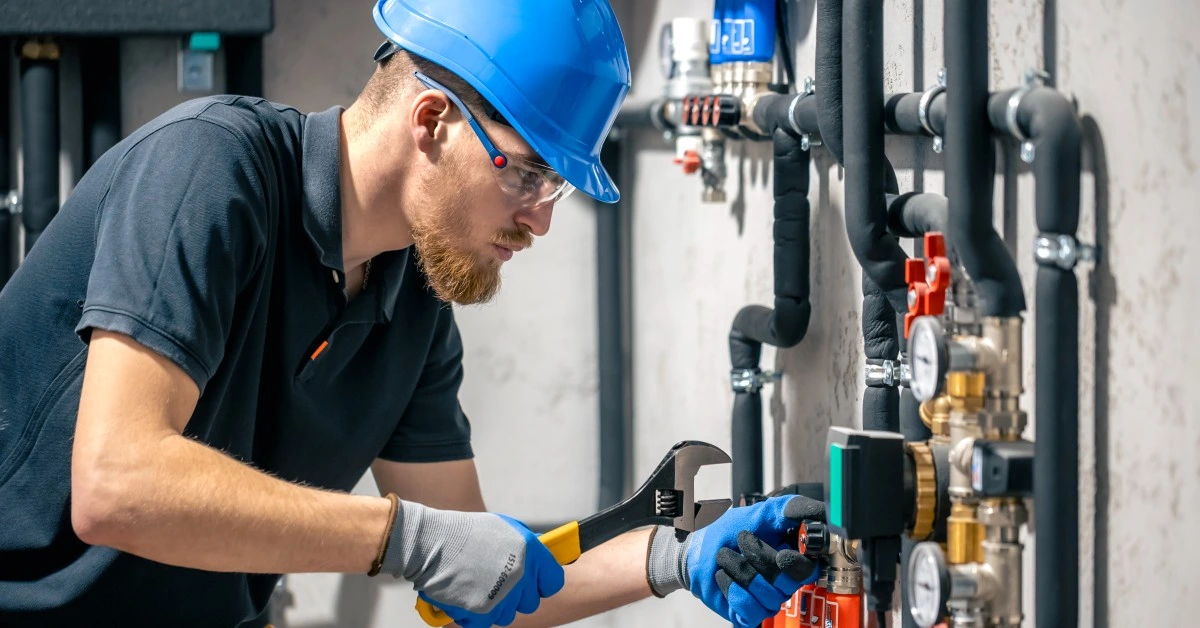
Most homeowners don’t think about their plumbing until something goes wrong. A leaking pipe, blocked drain, overflowing toilet or sudden loss of hot water often comes without warning, turning an ordinary day into an expensive emergency.
The reality is that your plumbing system works around the clock. Every shower, load of laundry, dishwasher cycle and tap you turn on puts your pipes, fixtures and appliances to work. Over time, normal wear and tear can lead to hidden leaks, corrosion, reduced water pressure and drainage problems that may go unnoticed until they become major repairs.
Just like servicing your car helps prevent breakdowns, regular plumbing maintenance helps identify minor issues before they escalate into emergencies. For Sydney homeowners, this is particularly important because the city has a diverse mix of older homes with ageing pipework, modern apartments with complex plumbing systems and expanding suburban developments with varying water demands.
In this guide, we’ll explain how often your plumbing system should be serviced, what a professional inspection includes and the warning signs that indicate it’s time to call a licensed plumber.
Most homes should have a professional plumbing inspection every 12 months. However, the ideal servicing frequency depends on your property’s age, plumbing system, water usage and previous plumbing history. Here’s a general guideline:
| Property Type | Recommended Service Frequency |
| Modern family home | Every 12 months |
| Older Sydney homes (30+ years) | Every 6–12 months |
| Rental properties | Annually or between tenancies |
| Homes with recurring plumbing issues | Every 6 months |
| Large households | Every 6–12 months |
| Homes with mature trees near sewer lines | CCTV drain inspection every 2–3 years |
Routine servicing allows potential issues to be detected early, helping reduce repair costs, improve water efficiency and extend the lifespan of your plumbing system.
Why Regular Plumbing Servicing Matters
Unlike visible appliances, most of your plumbing system is hidden behind walls, beneath floors or underground. This means problems can develop gradually without obvious warning signs.
A small leak inside a wall may seem insignificant at first, but over time it can cause mould growth, structural damage and increased water bills. Likewise, mineral build-up inside pipes can slowly reduce water pressure, while tree roots may invade underground sewer lines long before a complete blockage occurs.
Regular plumbing servicing focuses on identifying these issues before they become emergencies.
Benefits of routine plumbing maintenance include:
- Detecting hidden leaks early
- Reducing the risk of burst pipes
- Improving water pressure
- Preventing blocked drains
- Extending the life of pipes and fixtures
- Lowering water bills through improved efficiency
- Minimising unexpected emergency repairs
- Protecting your home’s structure from water damage
For Sydney homeowners, preventative maintenance can be particularly valuable in older suburbs where ageing infrastructure and decades-old plumbing systems may require closer attention.
Plumbing Maintenance Timeline
Rather than waiting until something breaks, it’s helpful to follow a simple maintenance schedule throughout the year.
Monthly Homeowner Checks
These quick inspections take only a few minutes but can help identify problems early.
- Check under sinks for moisture or leaks.
- Listen for running toilets after flushing.
- Inspect visible pipes for corrosion.
- Monitor your water pressure.
- Check outdoor taps for dripping.
- Look for damp patches on walls or ceilings.
- Watch your water bill for unexplained increases.
Every Six Months
Twice a year, spend a little more time checking your plumbing system.
Clean Tap Aerators
Mineral deposits can gradually restrict water flow.
Test Isolation Valves
Ensure shut-off valves can still be operated in an emergency.
Inspect Flexible Hoses
Look for bulging, rust or cracking behind toilets, sinks and washing machines.
Clean Shower Heads
Removing mineral build-up helps maintain consistent water pressure.
Check Outdoor Plumbing
Inspect garden taps, irrigation connections and exposed pipework for leaks or damage.
Annual Professional Plumbing Service
A licensed plumber can identify problems that aren’t visible during routine homeowner inspections.
A comprehensive annual plumbing service may include:
- Water pressure testing
- Leak detection
- Pipe condition assessment
- Drain performance inspection
- Toilet inspection
- Tap servicing
- Hot water system inspection
- Valve testing
- Water meter checks
- Inspection of exposed pipework
- Recommendations for preventative repairs
Annual servicing provides a complete health check for your plumbing system and helps catch developing issues before they become expensive emergencies.
Every 2–3 Years
Some components benefit from less frequent but more specialised inspections.
These may include:
- CCTV drain camera inspection
- Sewer line assessment
- Tree root inspection
- Stormwater drainage inspection
- Pressure valve testing
These inspections are especially beneficial for older homes or properties that have previously experienced blocked drains or recurring plumbing issues.
Does Your Sydney Home Need More Frequent Plumbing Servicing?
Not every property has the same maintenance requirements. Several factors can increase the likelihood of plumbing problems and may justify more frequent inspections.
Older Homes
Many homes built several decades ago still contain ageing plumbing components that naturally deteriorate over time.
Common issues include:
- Corroded metal pipes
- Rust build-up
- Reduced water pressure
- Ageing valves
- Hidden leaks
- Pipe joint deterioration
If your home is more than 30 years old and has never had a comprehensive plumbing inspection, scheduling one every 6–12 months is often a sensible preventative measure.
Large Families
Homes with four or more occupants place significantly greater demand on plumbing systems.
Higher daily water usage means:
- More toilet flushing
- Increased shower use
- More laundry loads
- Greater kitchen usage
- Faster wear on fixtures
An annual inspection helps ensure the system continues operating efficiently under heavier demand.
Rental Properties
Investment properties often experience varying levels of water usage depending on tenants.
Annual plumbing inspections between tenancies can help identify:
- Small leaks
- Worn fixtures
- Drainage issues
- Water efficiency problems
- Damage caused by previous occupants
Preventative servicing can reduce the likelihood of emergency call-outs after new tenants move in.
Homes Surrounded by Mature Trees
Tree roots naturally seek moisture and can enter underground sewer pipes through tiny cracks or ageing joints.
Properties with large trees nearby may benefit from periodic CCTV drain inspections every few years to identify root intrusion before a complete blockage develops.
Homes with Previous Plumbing Problems
If you’ve experienced recurring issues such as blocked drains, burst pipes, leaking fixtures or fluctuating water pressure, more frequent servicing may help identify the underlying cause rather than repeatedly treating the symptoms.
Warning Signs You Shouldn’t Wait for Your Next Service
While annual maintenance is recommended for most homes, some plumbing issues require attention as soon as they’re noticed.
Contact a licensed plumber if you experience:
Low Water Pressure
A sudden or gradual drop in water pressure may indicate pipe corrosion, hidden leaks, blocked pipes or valve problems.
Slow Drains
Water draining slowly from sinks, showers or bathtubs often signals developing blockages that may worsen over time.
Unexplained Increase in Water Bills
Higher water usage without any lifestyle changes may point to hidden leaks beneath floors, inside walls or underground.
Water Stains or Damp Patches
Discoloured ceilings, peeling paint or damp walls often indicate concealed plumbing leaks requiring immediate investigation.
Gurgling Drains or Toilets
Unusual noises from your plumbing system may suggest restricted drainage or developing sewer line problems.
Inconsistent Hot Water
If your hot water supply becomes unreliable or runs out more quickly than usual, your hot water system may require servicing.
Persistent Dripping Taps
Even small leaks waste significant amounts of water over time and may indicate worn washers or internal valve issues.
Unpleasant Plumbing Odours
Persistent sewer smells around drains or outdoors can signal drainage or sewer system problems that should be inspected promptly.
What Does a Professional Plumbing Service Include?
Many homeowners assume a plumbing service is simply checking for leaks. In reality, a professional plumbing inspection is a comprehensive assessment of your home’s water supply, drainage, fixtures and key plumbing components to ensure everything is functioning safely and efficiently.
While the exact process may vary depending on the property’s age and condition, a licensed plumber will typically inspect the following:
Leak Detection
Not all leaks are visible. A plumber will check for hidden leaks around pipes, fixtures, toilets, outdoor taps and accessible plumbing connections. Detecting leaks early can prevent structural damage, mould growth and unnecessary water waste.
Water Pressure Testing
Both low and excessively high water pressure can damage your plumbing system over time. A pressure test helps identify issues such as faulty pressure-reducing valves, pipe restrictions or supply problems before they lead to larger repairs.
Drain Assessment
Slow drains often indicate a developing blockage. During servicing, sinks, showers, floor drains and external drainage points are checked to ensure wastewater is flowing properly.
Toilet Inspection
Toilets are inspected for:
- Hidden leaks
- Faulty flush mechanisms
- Worn seals
- Constant running water
- Loose fittings
Even a minor toilet leak can waste thousands of litres of water each year if left unattended.
Tap and Fixture Inspection
Dripping taps, worn washers and loose fittings are common issues that can often be repaired before they become larger plumbing problems.
Hot Water System Check
Your hot water system is one of the hardest-working appliances in your home. A routine inspection may include checking:
- Temperature settings
- Safety valves
- Pipe connections
- Signs of corrosion or leaks
- Overall system performance
Pipe Condition Assessment
Visible pipework is inspected for:
- Corrosion
- Rust
- Cracks
- Joint deterioration
- Water stains
- Early signs of failure
Outdoor Plumbing Inspection
Outdoor taps, exposed pipework, irrigation connections and drainage points are checked for leaks, damage or deterioration caused by weather exposure.
DIY Plumbing Checks Between Professional Services
While annual servicing is recommended, there are several simple maintenance tasks homeowners can safely perform throughout the year. These routine checks can help identify small issues before they develop into expensive repairs.
✔ Check Your Water Meter
Turn off all taps and water-using appliances, then observe your water meter. If the meter continues moving, it could indicate a hidden leak somewhere in your plumbing system.
✔ Inspect Under Sinks
Look for:
- Moisture
- Water stains
- Mould
- Dripping connections
- Musty odours
These are often the first signs of a concealed leak.
✔ Test Toilet Performance
After flushing, listen for running water. If the cistern continues filling or you hear constant water movement, the toilet may have a worn valve or leaking seal.
✔ Clean Drain Strainers
Hair, food scraps and soap residue gradually build up inside drains. Cleaning strainers regularly helps prevent blockages from forming.
✔ Monitor Water Pressure
Notice if your shower suddenly feels weaker or taps take longer to fill containers. Gradual pressure changes often indicate developing plumbing issues.
✔ Look for Damp Areas
Check walls, ceilings, skirting boards and flooring for:
- Bubbling paint
- Damp patches
- Peeling wallpaper
- Water stains
These may indicate hidden plumbing leaks.
✔ Inspect Flexible Hoses
Flexible braided hoses behind washing machines, dishwashers and sinks should be checked for corrosion, bulging or fraying. Replacing worn hoses before they fail can prevent significant water damage.
Tip: DIY checks are designed to help you spot early warning signs—they’re not a substitute for a professional plumbing inspection. If you notice anything unusual, it’s best to have it assessed by a licensed plumber.
Why Preventative Plumbing Maintenance Saves You Money
Some homeowners postpone plumbing inspections because everything appears to be working fine. However, waiting until something breaks is often far more expensive than preventing the problem in the first place.
Consider the difference:
| Preventative Maintenance | Emergency Repair |
| Scheduled annual inspection | Burst pipe repair |
| Minor tap washer replacement | Water damage restoration |
| Early leak detection | Ceiling or wall repairs |
| Drain cleaning | Emergency blocked drain call-out |
| Pressure testing | Pipe replacement after failure |
Routine servicing can help you:
- Reduce emergency repair costs
- Extend the lifespan of your plumbing system
- Improve water efficiency
- Avoid unexpected disruptions
- Protect your home’s structure and contents
- Potentially lower water bills by fixing hidden leaks
Investing in preventative maintenance today can help you avoid costly plumbing emergencies tomorrow.
Sydney-Specific Plumbing Considerations
Sydney’s diverse housing stock and environmental conditions mean plumbing maintenance isn’t one-size-fits-all. Understanding local factors can help homeowners stay ahead of common issues.
Older Inner-City Homes
Suburbs with older homes may still have ageing plumbing infrastructure, making regular inspections important for identifying corrosion, worn fittings and hidden leaks before they become major problems.
Tree-Lined Neighbourhoods
Large established trees add character to many Sydney suburbs, but their roots can infiltrate ageing underground sewer pipes in search of moisture. If your property has mature trees, periodic drain inspections can help detect root intrusion early.
Seasonal Rainfall
Heavy rainfall can place additional strain on stormwater systems. Checking outdoor drains, gutters and drainage points before and after wetter months can help reduce the risk of flooding around your property.
High Water Usage
Busy households naturally place more demand on plumbing systems. Regular servicing helps ensure pipes, fixtures and appliances continue performing efficiently under increased usage.
FAQs
Is annual plumbing servicing really necessary?
For most homes, yes. An annual plumbing inspection helps identify developing issues before they become costly repairs and keeps your plumbing system operating efficiently.
Can regular plumbing servicing prevent emergencies?
While no inspection can prevent every plumbing issue, routine maintenance significantly reduces the risk of unexpected problems by identifying leaks, corrosion, drainage issues and worn components early.
How do I know if my home needs a plumbing inspection?
You should consider booking an inspection if:
- It’s been more than 12 months since your last service.
- You’ve noticed lower water pressure.
- Drains are slowing down.
- Your water bill has increased unexpectedly.
- Your home is more than 30 years old.
- You’re buying or selling a property.
Should older homes be serviced more often?
Yes. Older homes often contain ageing pipes, valves and plumbing fixtures that may require inspections every 6–12 months, depending on their condition.
Does plumbing maintenance help lower water bills?
Yes. Fixing hidden leaks, dripping taps and inefficient fixtures can reduce unnecessary water consumption and improve overall efficiency.
Can blocked drains be prevented?
Many drain blockages develop gradually due to grease, hair, food waste or tree root intrusion. Regular inspections and sensible drain care can significantly reduce the likelihood of major blockages.
What plumbing problems are most common in Sydney homes?
Some of the most frequently reported issues include:
- Blocked drains
- Leaking taps
- Burst pipes
- Hot water system problems
- Low water pressure
- Hidden water leaks
- Overflowing toilets
Routine servicing helps detect many of these issues before they become emergencies
When should I call an emergency plumber instead of waiting for a scheduled service?
Seek immediate assistance if you experience:
- A burst pipe
- Major water leak
- Sewage backup
- No water supply
- Gas leak (if your plumber is licensed for gas work)
- Overflowing toilet that won’t stop
- Complete hot water system failure with visible leaks
These situations require prompt attention to minimise damage and restore safety.
Protect Your Home with Regular Plumbing Maintenance
Your plumbing system is one of the most important—and often overlooked—parts of your home. By scheduling regular inspections, performing simple DIY checks and addressing minor issues early, you can reduce the risk of unexpected emergencies, improve water efficiency and extend the lifespan of your plumbing infrastructure.
Whether you live in an older home, a modern apartment or a growing family property, preventative plumbing maintenance is a practical investment that can save you time, money and stress in the long run.
If it’s been more than a year since your last plumbing inspection—or you’ve noticed warning signs such as low water pressure, slow drains or unexplained increases in your water bill—it may be time to arrange a professional assessment. Early action can make all the difference between a simple repair and a costly emergency.


Comments are closed