



 02 9622 4888
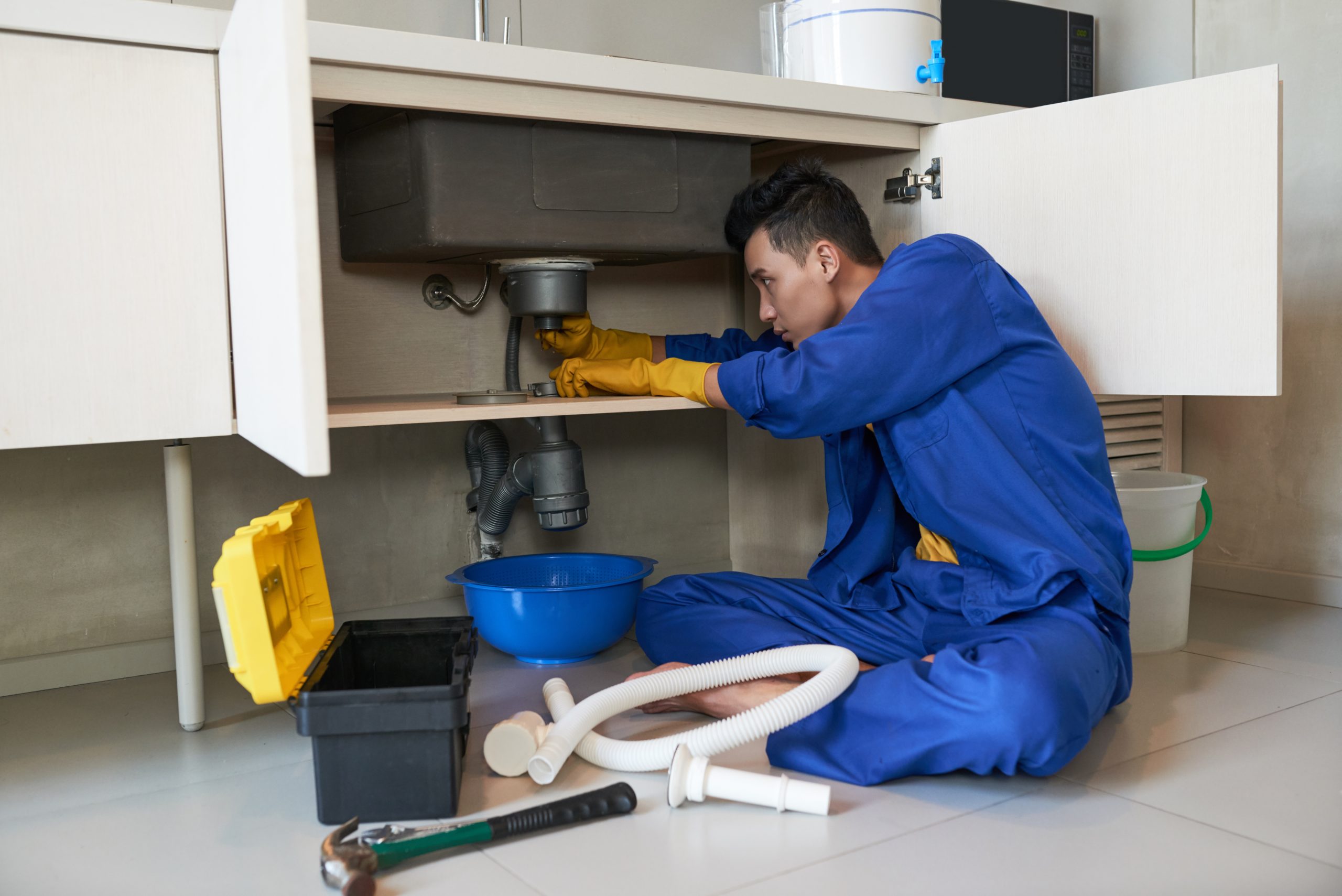
If you’ve cleared the same drain more than once in the past year, the blockage isn’t the real problem — it’s a symptom. A drain that keeps blocking after being cleared almost always means something structural is going on inside the pipe: tree roots, a cracked joint, a sagging section, or a build-up that a plunger or store-bought chemical can’t reach. Clearing the surface clog buys you a few weeks. Fixing what’s causing it stops the problem for good.
This guide explains the most common reasons Sydney drains block repeatedly, how to tell a one-off clog from a structural issue, and what actually fixes it long term. It draws on patterns our licensed plumbers see across Sydney’s older suburbs, newer developments, and everything in between.
Why Do Drains Keep Blocking?
Drains keep blocking for one of two reasons: something is going back into the pipe repeatedly (grease, hair, wipes), or something is physically wrong with the pipe itself (tree roots, a cracked joint, a low spot, or corrosion). If clearing the drain only fixes it for a few days or weeks, the cause is almost always the second one. A CCTV drain camera inspection is the only reliable way to tell which it is.
Common Causes of Recurring Blocked Drains in Sydney
| Cause | How It Happens | One-Off or Recurring |
| Tree root intrusion | Roots enter through tiny cracks or joints seeking moisture | Recurring |
| Grease and fat build-up | Cooking fat cools and hardens inside pipes over time | Recurring |
| Hair and soap scum | Combines into a dense clog in bathroom drains | Can recur if not addressed |
| Foreign objects | Wipes, sanitary items, or toys lodge in the line | One-Off unless habit continues |
| Ageing or corroded pipes | Cast iron or terracotta pipes roughen internally , trapping debris | Recurring |
| Cracked or displaced joints | Small opening let in roots, soil and debris | Recurring |
| Poor pipe gradient (fall) | Water moves too slowly, leaving solids behind | Recurring |
| Collapsed or sagging pipe sections | Ground movement or age causes the pipe to dip | Recurring |
| Heavy rain and stormwater overload | Overwhelmed stormwater lines back up into the system | Seasonal, recurring |
1. Tree Root Intrusion
Sydney’s tree-lined streets and established gardens are a major reason older suburbs see so many repeat blockages. Roots grow toward the moisture and nutrients inside sewer pipes, and once a root finds even a hairline crack or loose joint, it forces its way in. Once inside, the root mass expands and catches everything else moving through the pipe — hair, grease, wipes — until flow slows or stops completely.
This is why jetting a root-blocked drain often feels like it worked, only for the same blockage to return within weeks. Jetting clears the immediate clog but doesn’t remove the root or repair the crack it grew through. Suburbs with mature street trees and pre-1970s terracotta pipework are particularly prone to this. Our blocked drains Sydney team uses camera inspection to confirm root intrusion before recommending a fix, rather than guessing.
2. Grease and Fat Build-Up
Pouring cooking oil, fat, or food scraps down a kitchen sink is one of the most common causes of recurring kitchen drain blockages. Fat is liquid when hot but solidifies as it cools inside the pipe, gradually narrowing the passage until water can barely get through. Even small amounts, poured consistently over months, build up into a serious clog.
What to do instead: Let fat cool in a container and dispose of it in the bin, use a sink strainer to catch food scraps, and avoid rinsing greasy pans directly into the drain whenever possible.
3. Hair and Soap Scum in Bathroom Drains
Bathroom drains clog differently from kitchen ones. Hair binds with soap scum and toothpaste residue to form a dense mat that sticks to the inside of the pipe wall. It builds slowly, which is why bathroom drains often go from “a bit slow” to “fully blocked” over a period of weeks rather than overnight.
What to do instead: Fit a drain strainer over the shower and basin outlets, and clean it out weekly rather than letting hair wash straight down.
4. Foreign Objects Flushed or Rinsed Away
Wet wipes (even ones labelled “flushable”), sanitary products, cotton buds, and small toys are common causes of sudden, complete blockages. Unlike toilet paper, these items don’t break down in water. They catch on joints or narrow sections and create a dam that other debris then builds up against.
5. Ageing or Corroded Pipes
Homes built before the 1990s, particularly those with original cast iron or terracotta pipework, are more prone to internal corrosion and roughening. As the internal surface degrades, it creates rough patches where grease, hair, and debris catch instead of flowing through. This is a structural issue, not a cleaning issue, and it tends to get worse with every blockage rather than better.
6. Cracked, Displaced, or Poorly Graded Pipes
Sewer pipes need a consistent, gentle fall to keep waste and water moving. Australian plumbing standards specify a minimum grade for these lines. If a section was installed too flat — often a fault from the original build — water moves too slowly and solids settle instead of flushing through. Cracked or displaced joints cause a similar problem by letting in soil, roots, and debris at the point of damage. Both issues require physical repair, not just clearing.
7. Collapsed or Sagging Pipe Sections
Ground movement, ageing materials, or nearby construction can cause a section of pipe to sag or partially collapse over time. This creates a low point where water pools and debris collects, guaranteeing repeated blockages at the same spot in the line. This is one of the clearest cases where relining or a targeted repair delivers a permanent fix, since surface clearing simply won’t reach the cause.
8. Heavy Rain and Stormwater Overload
Sydney’s periods of intense rainfall can overwhelm stormwater and combined drainage systems, especially where a pipe is already partially blocked by roots or debris. When stormwater backs up, it can push water back into household drains, which shows up as gurgling, slow drainage, or overflow during or after heavy rain. If this pattern only happens when it rains, the underlying line likely already has a partial blockage that heavy flow is exposing. Our roof leak repairs team can also check whether gutter and stormwater issues are contributing to the problem.
Tired of clearing the same drain over and over?
Get a professional camera inspection and a permanent fix, not another short-term clear. Call JG Wilson Emergency Plumbers
Temporary Fix vs Permanent Fix: What’s the Difference?
| Approach | What It Does | Best For |
| Plunging | Clears a simple, shallow blockage | One-off clogs near the drain opening |
| Chemical drain cleaner | Dissolves organic build-up temporarily | Occasional, minor slow drains (use sparingly — can damage older pipes) |
| Drain snake or auger | Physically breaks up or hooks out a clog | Blockages further down a single line |
| Hydro jetting | High-pressure water clears grease, roots, and build-up from pipe walls | Recurring blockages from grease or minor root growth |
| CCTV camera inspection | Identifies the exact cause and location | Any drain that has blocked more than once |
Pipe relining | Installs a new internal lining without excavation | Cracked, root-damaged, or corroded pipesPipe replacement |
| Pipe replacement | Replaces the damaged section entirely | Collapsed, severely displaced, or badly deteriorated pipe |
Signs Your Blocked Drain Is More Than a Simple Clog
- The same drain has blocked two or more times in the past 12 months
- Multiple drains in the house are slow or gurgling at the same time
- The blockage returns within days or weeks of being cleared
- You notice a sewage smell alongside the slow drainage
- Blockages happen mainly during or after heavy rain
- The ground outside near the drain line is unusually soft, wet, or sunken
If any of these sound familiar, a camera inspection is worth booking before you clear the drain again. It’s a straightforward way to confirm whether you’re dealing with a habit-based clog or a structural issue that will keep returning until it’s repaired.
How to Prevent Drains From Blocking Again
In the kitchen:
- Scrape plates into the bin before washing up
- Pour cooled fat and oil into a container, not the sink
- Run hot water through the sink after washing greasy dishes
In the bathroom:
- Use a drain strainer on the shower and basin
- Clean the strainer weekly
- Avoid flushing wipes, cotton buds, or sanitary items
Outside and structural:
- Book a CCTV inspection if you have mature trees near your sewer line
- Have your drains professionally cleaned on a regular schedule rather than only when they block
- Address any known cracked or ageing pipework before it worsens
Regular maintenance is consistently cheaper than emergency repairs. If it’s been a while since your last check, our guide on how often you should service your plumbing explains what a proper inspection covers and how frequently to book one.
Why Choose JG Wilson Emergency Plumbers for Recurring Blocked Drains
JG Wilson Emergency Plumbers has been servicing Sydney homes since 1991, which means decades of experience diagnosing exactly this kind of recurring drainage problem across old and new properties alike. Rather than clearing the surface clog and leaving the underlying cause untouched, the team uses camera inspection to identify the real issue first, then recommends the right fix — whether that’s a straightforward clean, hydro jetting, or pipe relining for damaged sections. All work comes with upfront, fixed-rate pricing and a lifetime labour guarantee, with same-day service available across all Sydney suburbs.
If a drain in your home keeps blocking no matter how many times you clear it, it’s worth getting a proper diagnosis rather than repeating the same short-term fix. See the full range of solutions on our blocked drains Sydney page.
Same drain blocking again? Let’s fix it properly this time.
JG Wilson Emergency Plumbers offers camera inspections and long-term drain solutions across Sydney.
FAQs
Why does my drain keep blocking even after I clear it?
If a drain blocks repeatedly after clearing, the cause is usually structural — tree roots, a cracked joint, a low spot, or corrosion inside the pipe. Clearing the visible clog doesn’t fix these underlying issues, so the blockage returns.
How do I know if tree roots are blocking my drain?
Root intrusion is likely if the same drain blocks repeatedly, especially near mature trees, and if jetting or clearing only provides temporary relief. A CCTV drain camera inspection is the most reliable way to confirm it.
Is it normal for a drain to block more than once a year?
No. A single blockage from hair, food scraps, or an object is normal occasionally. If the same drain blocks two or more times within a year, it usually points to a structural cause that needs professional diagnosis.
Can I use chemical drain cleaner for a recurring blockage?
Chemical cleaners can help with occasional, minor build-up, but they don’t fix structural problems like root intrusion or cracked pipes, and frequent use can damage older pipework. For recurring blockages, a camera inspection is a better first step.
What is pipe relining and how does it stop blockages returning?
Pipe relining installs a new lining inside the existing pipe, sealing cracks and root entry points without digging up the yard. It’s typically used for pipes damaged by roots, corrosion, or minor structural faults, and it prevents the same blockage from recurring.
How much does it cost to fix a recurring blocked drain in Sydney?
Costs depend on the cause and the required fix, ranging from a straightforward clean to relining or section replacement. JG Wilson Emergency Plumbers provides upfront, fixed-rate pricing after a camera inspection confirms the cause, so there are no surprises.
Do heavy rain and stormwater cause blocked drains?
Yes. Heavy rainfall can overwhelm stormwater systems, particularly if a pipe already has a partial blockage. If your drains only back up during or after rain, it often means an existing issue is being exposed by the extra flow.


Comments are closed