



 02 9622 4888
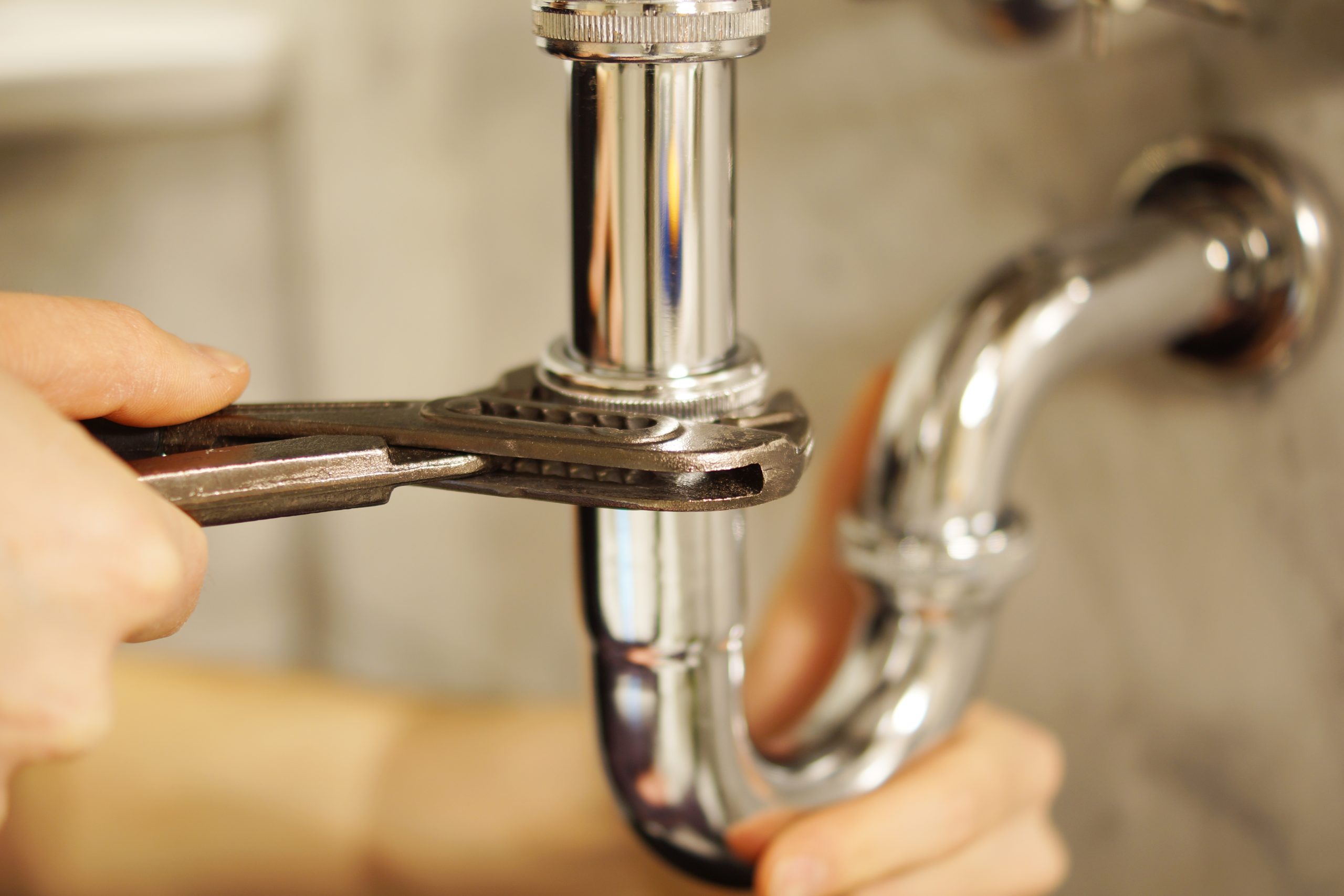
A burst pipe emergency is one of the most stressful plumbing problems a Sydney homeowner can face. Within minutes, a burst pipe can flood rooms, damage walls and floors, destroy furniture, and even create serious electrical hazards.
Knowing exactly what to do before the plumber arrives can significantly reduce water damage, lower repair costs, and protect your home from long-term structural issues. This guide walks you through immediate actions, safety steps, common causes, and prevention tips — all written with emergency situations in mind.
If a pipe bursts, turn off the main water supply immediately, shut off electricity if water is near power points, contain the leak, and call an emergency plumber without delay. Never ignore a burst pipe, even if the leak seems small.
Is a Burst Pipe Always a Plumbing Emergency?
Yes. A burst pipe is always considered a plumbing emergency.
Even a small crack can:
- Release hundreds of litres of water per hour
- Damage walls, ceilings, and flooring
- Lead to mould growth within 24–48 hours
- Weaken your home’s structure
- Affect neighbouring properties in apartments
For safety and insurance reasons, burst pipes should never be delayed or treated as a DIY repair.
Common Signs You Have a Burst Pipe
Sometimes pipes burst suddenly, but in other cases, warning signs appear first. Look out for:
- Sudden drop in water pressure
- Water pooling on floors
- Damp patches on walls or ceilings
- Unusual hissing or banging sounds
- Water stains or bubbling paint
- Unexpected increase in water bills
If any of these signs appear, treat the situation as urgent.
Step-by-Step: What to Do During a Burst Pipe Emergency
Step 1: Turn Off the Main Water Supply (MOST IMPORTANT)
Locate your home’s main shut-off valve and turn it clockwise to stop the water flow. In most Sydney homes, this is near:
- The water meter
- The front boundary of the property
- Under the kitchen sink (apartments)
Stopping the water immediately limits damage.
Step 2: Turn Off Electricity (If Safe)
If water is near:
- Power points
- Appliances
- Light fixtures
Do not step into standing water.
Turn off electricity at the main switchboard only if it is safe to do so. This step helps prevent electrical shock and fire hazards.
Step 3: Drain Remaining Water from Pipes
Open all cold taps to drain leftover water from the system. This reduces pressure and prevents further leaking. Flush toilets once to empty tanks.
Step 4: Contain the Water
Use:
- Buckets or containers
- Towels and mops
- Plastic sheets to protect furniture
Move valuables, rugs, and electronics away from the affected area.
Step 5: Call an Emergency Plumber Immediately
Burst pipes require professional repair. Temporary fixes rarely last and may worsen damage.
A licensed emergency plumber can isolate the damaged section, repair or replace the pipe, and check for hidden issues.
What NOT to Do During a Burst Pipe Emergency
Avoid these common mistakes:
- Don’t use duct tape or sealants as permanent fixes
- Don’t turn the water back on “just to check”
- Don’t ignore slow leaks
- Don’t delay calling a plumber
- Don’t attempt pipe replacement without training
These actions can increase damage and void insurance claims.
Common Causes of Burst Pipes in Sydney Homes
Understanding why pipes burst helps prevent future emergencies.
1. Ageing or Corroded Pipes
Older Sydney homes often have galvanised steel or copper pipes that corrode internally over time.
2. High Water Pressure
Excessive pressure strains pipe joints and weakens materials, leading to sudden bursts.
3. Cold Weather Expansion
During colder Sydney winters, exposed pipes can contract and expand, causing cracks.
4. Poor Installation or Repairs
Incorrect pipe fittings or substandard workmanship significantly increase failure risk.
5. Tree Root Intrusion
Tree roots can invade underground pipes, causing cracks and eventual bursts.
How an Emergency Plumber Fixes a Burst Pipe
A licensed emergency plumber will:
- Locate the burst pipe using tools and inspections
- Isolate the affected pipe section
- Replace or repair damaged piping
- Test system pressure
- Inspect surrounding plumbing for weaknesses
- Restore water safely
Professional repairs ensure the issue doesn’t return.
Why You Should Never Ignore a Burst Pipe
Delaying action can lead to:What could be a simple pipe repair can become a full home restoration job.
- Structural timber rot
- Black mould growth
- Ceiling collapse
- Electrical damage
- Higher insurance excess
- Costly restoration work
What could be a simple pipe repair can become a full home restoration job.
Preventing Future Burst Pipe Emergencies
While not all bursts are avoidable, you can reduce risk by:
- Scheduling regular plumbing inspections
- Replacing ageing pipes
- Monitoring water pressure
- Insulating exposed pipes
- Fixing minor leaks immediately
- Avoiding chemical drain cleaners
Preventative maintenance is far cheaper than emergency repairs.
FAQs
Is a burst pipe always an emergency?
Yes. Any burst pipe poses an immediate risk of water damage and must be addressed urgently.
Can I fix a burst pipe myself?
Temporary measures may reduce leakage, but professional repair is required for safety and durability.
How fast can an emergency plumber arrive in Sydney?
Many emergency plumbers offer 24/7, same-day service depending on location.
Will insurance cover burst pipe damage?
Often yes, but only if the issue is addressed immediately and not caused by neglect.
A burst pipe emergency requires immediate action. Knowing what to do before the plumber arrives can protect your home, reduce damage, and save thousands in repair costs. Acting fast — and calling a licensed emergency plumber — is always the safest option.
If your pipe has burst, don’t wait. Contact a Sydney emergency plumber immediately.
A burst pipe emergency requires immediate action. Knowing what to do before the plumber arrives can protect your home, reduce damage, and save thousands in repair costs. Acting fast — and calling a licensed emergency plumber — is always the safest option.
If your pipe has burst, don’t wait. Contact a Sydney emergency plumber immediately.


Comments are closed