



 02 9622 4888
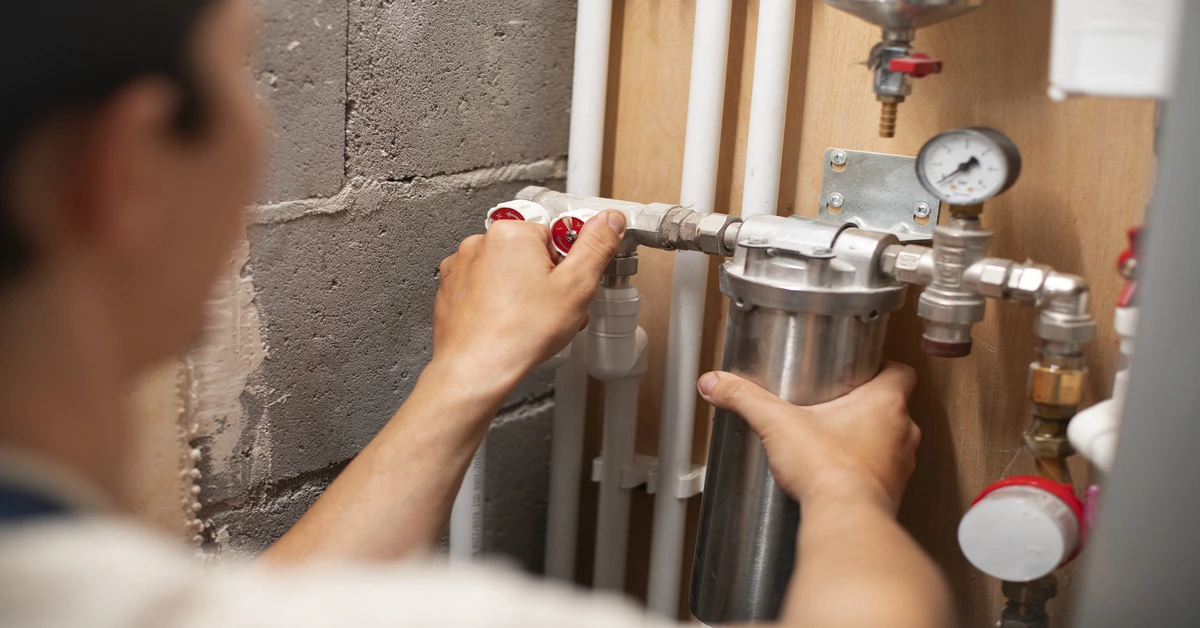
Turn off every tap, appliance, and irrigation system in your home. Locate your water meter and check the small leak indicator dial (a red or blue triangle, star, or spinning wheel). If it’s moving even slightly with all water off, you have a hidden leak. For a more precise check, write down the exact meter reading, wait 1–2 hours without using any water, then read it again — any change in the numbers confirms a leak somewhere in your system.
If you’ve noticed your water bill creeping up with no obvious explanation, your water meter is the fastest, most reliable way to confirm whether a hidden leak is the cause — before it turns into a damaged wall, a collapsed ceiling, or a five-figure repair bill.
Why Your Water Meter Is the Best Leak Detector You Already Own
Every property connected to mains water has a meter, usually installed near the front boundary, under a small hinged lid in the footpath or garden. It measures every litre that passes through your pipes, which makes it the single most accurate leak-detection tool available — more reliable than watching for damp patches or listening for dripping, because most hidden leaks happen underground, inside walls, or under slab foundations where you’d never see or hear them.
Council water authorities and licensed plumbers both use the same meter-reading method to confirm a leak before any pipe is opened up. It costs nothing, takes under an hour, and can save you from months of paying for water you never actually used.
Step-by-Step: How to Read Your Water Meter for a Hidden Leak
Step 1: Locate Your Water Meter
Most Australian homes have their meter in a small concrete or plastic box near the street-facing boundary, close to the letterbox or driveway. Units and townhouses sometimes have a shared meter bank. Lift the lid carefully — meter boxes can house spiders or debris.
Step 2: Turn Off All Water Use
Switch off every tap, dishwasher, washing machine, and irrigation controller. This step matters more than any other — even a slow-filling toilet cistern or an ice maker will throw off your reading.
Step 3: Check the Leak Indicator Dial First
Most modern meters have a small triangular, star-shaped, or circular dial that spins whenever any water flows through the line. With everything off, watch it for 2–3 minutes. Any movement, even a slow crawl, points to a leak somewhere between the meter and your fixtures.
Step 4: Record the Exact Numbers
Write down every digit shown, including the smaller decimal or red dials if your meter has them. Note the date and time.
Step 5: Wait, Then Read Again
Leave all water off for at least 1–2 hours (overnight is even more reliable). Return and record the reading again. If the number has moved without any water being used, there’s a leak in your system — not the council’s supply line.
Not sure what your meter is telling you?
JG Wilson Emergency Plumbers can confirm a leak and locate it in one visit.
Understanding the Dials on Your Water Meter
Water meters vary by brand and age, but most fall into one of these categories:
| Meter Type | How It Looks | What to Watch For |
| Digital/Smart Meter | LCD screen with numeric readout and a small flow icon | A flashing drop or flow symbol when all water is off |
| Analogue Dial Meter | Clock-style face with a sweeping hand | Any hand movement with taps closed |
| Leak Indicator (Star/Triangle) | Small red or blue rotating shape, often in the centre | Continuous or slow spinning = active leak |
| Odometer-Style | Sequential numbers, similar to a car odometer | Digits changing without water use |
If your property has a smart water meter (increasingly common across NSW councils), many now send automatic high-usage alerts to your water authority — but that notification often arrives weeks after the leak started, so a manual check is still worth doing.
Signs You May Have a Hidden Leak (Beyond the Meter)
A water meter test is the most conclusive check, but these warning signs usually show up first:
- Unexplained bill increases of 20% or more between billing cycles
- Damp patches, mould, or a musty smell on internal walls or under carpet
- Warm spots on flooring, which often point to a hot water leak under a slab
- Reduced water pressure across multiple taps at once
- The sound of running water when every fixture is switched off
- Cracks or unusually green, lush patches in the lawn away from garden beds
What to Do If the Meter Confirms a Leak
Once your water meter test confirms movement with everything off, the next steps determine how much damage — and cost — you avoid:
- Shut off your main water valve if the leak seems significant, to limit further water loss.
- Photograph the meter readings — useful for insurance claims and for your plumber’s diagnosis.
- Avoid digging or cutting into walls yourself — slab leaks and underground pipe leaks need proper leak detection equipment, not guesswork.
- Call a licensed emergency plumber who can use acoustic or thermal leak detection to pinpoint the exact location without unnecessary excavation.
Confirmed a leak but not sure where it’s coming from?
JG Wilson Emergency Plumbers offers fast, non-invasive leak detection across Sydney.
What a Hidden Leak Actually Costs You
Even a “small” leak adds up faster than most homeowners expect:
| Leak Size | Estimated Water Wasted | Approx. Extra Cost (Annual) |
| Slow drip (1 drop/sec) | ~11,000 litres/year | 30–60 |
| Small pinhole leak | ~50,000+ litres/year | 150–300 |
| Running toilet | ~200,000 litres/year | 400–800 |
| Underground pipe leak | 500,000+ litres/year | $1,000+ |
Beyond the water bill itself, an undetected leak under a slab or inside a wall cavity can lead to structural damage, mould remediation, and flooring replacement — costs that often run into the thousands if left unaddressed.
DIY Meter Reading vs. Calling a Professional Plumber
Reading the meter yourself is the right first step — it’s free and takes minutes. But once a leak is confirmed, professional leak detection becomes worthwhile because:
- Underground and slab leaks aren’t visible or audible without specialised equipment
- Cutting into the wrong section of wall or concrete adds unnecessary repair costs
- A licensed plumber can confirm whether the leak is your responsibility or the water authority’s (usually anything past the meter is yours)
If your property is older, has copper piping, or sits on a concrete slab, it’s worth having a periodic professional plumbing inspection even without an obvious leak, since these systems are more prone to slow corrosion leaks over time.
Preventing Future Hidden Leaks
- Re-check your meter every few months, especially before and after long trips away
- Have ageing pipework inspected every 2–3 years, particularly in homes built before 1990
- Fix small drips immediately — they rarely stay small
- Insulate exposed pipes ahead of winter to prevent cracking
- Keep a record of your quarterly water bills so unusual spikes are easy to spot
Regular leak checks save thousands in repairs down the line.
Speak to JG Wilson Emergency Plumbers about a routine plumbing inspection
FAQs
How do I know if my water meter is showing a leak?
Turn off every tap and appliance, then watch the small leak indicator dial for a few minutes. If it moves at all, water is flowing somewhere in your system even though nothing is turned on.
How long should I wait between meter readings to test for a leak?
At least one to two hours with all water off gives a reliable result. An overnight test (6–8 hours) is even more accurate for slow, hard-to-detect leaks.
Can a water meter leak test detect a leak inside a wall?
Yes. The meter measures total flow through your whole system, so it will pick up leaks in walls, under slabs, or underground — even ones you can’t see or hear.
Is a moving water meter dial always a leak?
Almost always, provided every fixture and appliance is genuinely switched off. Automatic irrigation timers and ice makers are common false positives, so double-check these first.
Who is responsible for a leak — me or the water authority?
Generally, any leak on the customer’s side of the meter (inside your property boundary) is the homeowner’s responsibility. Leaks before the meter, in the main supply line, are usually the water authority’s responsibility.
What should I do immediately after confirming a leak?
Shut off your main water valve if the leak seems serious, note your meter readings, and contact a licensed emergency plumber for proper leak detection and repair.
If your water meter test suggests a hidden leak, don’t wait for it to surface as a damaged wall or a shock water bill. JG Wilson Emergency Plumbers provides fast, accurate leak detection across Sydney — call (02) 9622 4888 to book an inspection today.


Comments are closed