



 02 9622 4888
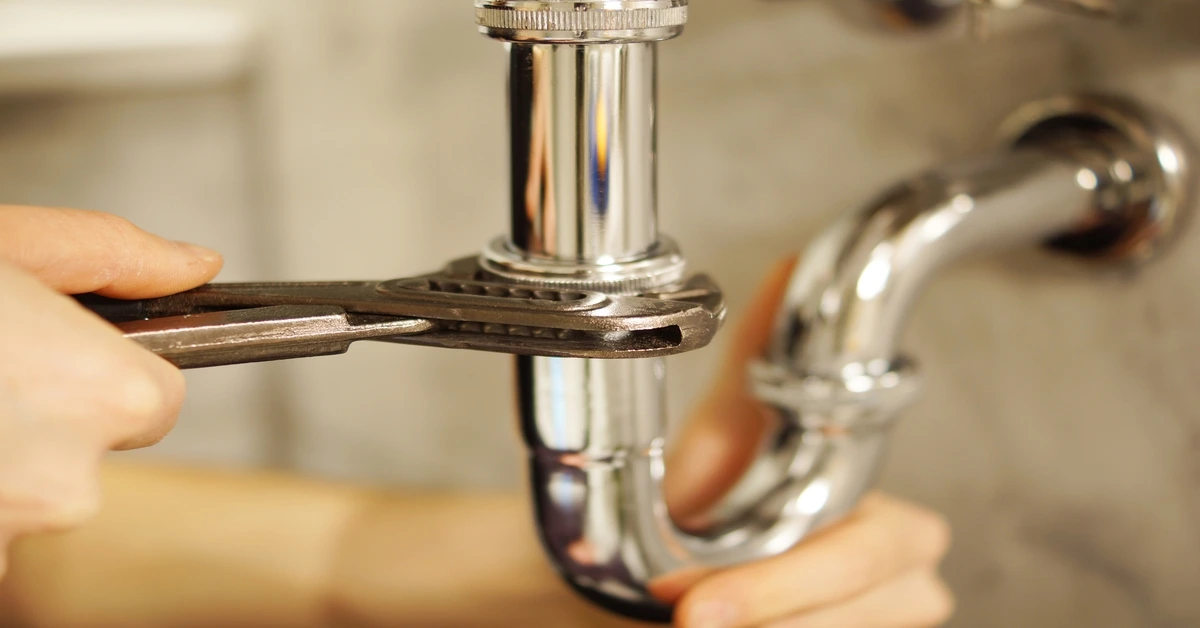
Spring plumbing maintenance for Sydney homes should focus on six areas: outdoor taps and irrigation, stormwater capacity, backflow prevention compliance, tree root activity, hot water demand, and post-winter condensation. Unlike winter maintenance, which focuses on cold-weather stress and freezing risk, spring maintenance is about reactivating systems that sat dormant over winter and preparing your plumbing for the storms and heavier water use that come with warmer months.
September to November is when Sydney’s weather shifts fastest. Gardens wake up, storms roll in without warning, and household water use climbs as families spend more time outdoors. Most spring plumbing problems aren’t new faults — they’re winter damage that only becomes obvious once a tap gets turned back on or a storm tests a drain that’s been quietly failing for months.
Get Your Sydney Home Storm-Ready This Spring
Don’t wait for the first spring downpour to find out your stormwater system can’t keep up. JG Wilson Emergency Plumbers offer same-day spring plumbing inspections across Sydney.
Why Spring Plumbing Checks Are Different From Winter Ones
Sydney’s plumbing risks change with the seasons, and spring brings a distinct set of problems that a winter inspection simply won’t catch:
- Storm intensity increases. According to Bureau of Meteorology records, thunderstorm and hail activity across the Sydney basin typically rises through September to November, putting sudden pressure on stormwater systems that coped fine with steady winter rain.
- Tree roots enter active growth. Roots that were dormant over winter start seeking out moisture aggressively as soil warms, targeting any existing crack or joint in underground pipes.
- Dormant systems get switched back on. Garden irrigation, outdoor taps and hoses that haven’t been used since autumn often reveal winter damage the moment they’re turned on.
- Water demand climbs. Warmer weather means more showers, more laundry and more outdoor water use — testing hot water systems and pressure differently than winter did.
JG Wilson Emergency Plumbers see a clear seasonal pattern across Blacktown, Parramatta, the Hills District and Western Sydney: spring call-outs are dominated by irrigation leaks, stormwater overflow and backflow device failures — problems that are almost entirely different from the hot water and frozen-pipe issues that dominate winter.
The Sydney Spring Plumbing Checklist at a Glance
| Area | Why It Matters in Spring | Priority |
| Outdoor taps & irrigation | Reactivated after months of disuse; winter damage often surfaces here first | High |
| Stormwater capacity | Sudden spring storms are more intense than steady winter rain | High |
| Backflow prevention devices | Annual compliance testing is commonly scheduled in spring | High |
| Tree root activity | Root growth accelerates as soil warms | Medium |
| Hot water demand | Usage patterns shift ahead of summer’s peak demand | Medium |
| Ventilation & condensation | Winter humidity trapped in bathrooms and laundries can trigger mould as temperatures rise | Medium |
1. Outdoor Taps, Hoses & Garden Irrigation
If your garden irrigation or outdoor taps haven’t been used since last summer, spring is when hidden winter damage shows up. Fittings can crack from temperature swings even in Sydney’s relatively mild winters, and a system that looked fine when it was switched off in April can leak the moment it’s switched back on in September.
What to check:
- Turn on each outdoor tap individually and check for drips at the spindle or hose connection.
- Run your irrigation system through a full cycle and walk the garden looking for pooling water, weak sprinkler heads or unusually soggy patches.
- Inspect hose fittings and timers for cracked plastic or perished washers.
- Check that any backflow device fitted to your irrigation line hasn’t seized over winter.
Action: A dripping outdoor tap or a leaking irrigation line rarely feels urgent, but left unaddressed through spring and into summer, it can waste tens of thousands of litres. Our leaking taps team can repair or replace worn outdoor fittings quickly.
2. Stormwater Capacity — Getting Ready for Sydney’s Storm Season
Winter rain in Sydney tends to be steady; spring storms are sudden and intense. A stormwater system that handled June’s drizzle without issue can be overwhelmed by a 20-minute spring downpour if there’s an existing partial blockage.
What to check:
- Check stormwater pits at your boundary for silt, leaf litter or root growth restricting flow.
- Watch how quickly water clears from paved areas and driveways during the next rain event.
- Look for water pooling near the house foundation after rain — a sign stormwater isn’t being carried away fast enough.
Homes in Blacktown, Penrith and the Hills District — areas that see some of Sydney’s more intense spring storm activity — benefit most from a stormwater check before the season’s first major downpour. Our blocked drains Sydney team can CCTV inspect and clear stormwater lines before they’re tested by heavy rain.
Spring Storms Don’t Wait — Neither Should You
A blocked stormwater pit or failing drain can flood a property in minutes once spring rain sets in. JG Wilson Emergency Plumbers provide fast stormwater inspections and clearing across Sydney.
3. Backflow Prevention Devices — Spring Compliance Check
If your property has a testable backflow prevention device — common on irrigation systems, commercial properties and homes with pools — Sydney Water requires it to be tested annually by a certified backflow tester. Many property owners schedule this in spring, alongside garden and irrigation reactivation, making it an easy item to fold into your seasonal checklist.
What to check:
- Confirm when your device was last tested and whether it’s due this year.
- Check for visible corrosion, leaking or discharge around the device housing.
- If you’ve recently added irrigation, a pool, or any connection that could allow water to flow backward into the mains, confirm whether a device is required.
Our backflow prevention service covers testing, certification and repairs across Sydney.
4. Tree Root Activity — A Quick Spring Check
Tree roots grow fastest in spring as soil warms and trees come out of winter dormancy. If you’ve had recurring drain issues before, or have established trees near known pipe runs, it’s worth a quick visual check of the garden for new surface roots or unusually lush growth directly above pipe lines.
We’ve covered this in detail separately — see our guide on preventing tree root damage to your drains this spring for warning signs and prevention steps specific to root intrusion.
5. Hot Water System — Adjusting for Summer Demand
Your hot water system doesn’t need the same deep winter service check again in spring, but usage patterns do shift. More people showering after outdoor activity, more laundry from gardening and increased household water use overall mean your system moves from winter’s “steady, low-frequency” pattern to a busier one heading into summer.
What to check:
- Note whether hot water is running out faster than it did over winter — this can indicate the system is nearing the end of its capacity for the household’s current demand.
- Check the area around the unit for any new signs of corrosion or moisture that weren’t there during your last check.
If your system is struggling to keep up, our hot water repairs team can assess whether a repair or replacement makes more sense before summer demand peaks.
6. Ventilation & Condensation — The Post-Winter Mould Check
Bathrooms and laundries trap moisture differently in winter, when windows stay closed and exhaust fans get used less. That trapped humidity doesn’t always show up until spring’s warmer temperatures create ideal mould-growing conditions in areas that were quietly damp for months.
What to check:
- Look behind and under vanities, around shower recesses and in laundry cupboards for early mould spotting.
- Test that bathroom and laundry exhaust fans are venting outside, not just into the roof cavity.
- Check for condensation build-up on windows or walls in poorly ventilated bathrooms.
Persistent dampness in one specific area, rather than general household humidity, often points to a slow plumbing leak rather than a ventilation issue alone.
7. Water Pressure & Quiet Leaks
A gradual drop in water pressure across spring, rather than a sudden change, is often the first sign of a small leak developing somewhere in the system. Rather than repeating a full meter test here, keep an eye on your Sydney Water bill for any unexplained increase, and note if pressure feels noticeably weaker in showers or taps compared to a few weeks earlier.
If you notice either sign, our leak detection and water pipe repair service can pinpoint the source without unnecessary digging.
When Spring Maintenance Uncovers an Emergency
| Situation | Action |
| Irrigation pipe bursts when reactivated | Shut off the irrigation isolation valve, call a plumber same day |
| Stormwater pit overflows during a storm | Call an emergency plumber — don’t attempt to clear a surcharging pit yourself |
| Backflow device fails its compliance test | Arrange repair or replacement promptly to remain compliant |
| Mould appears suddenly in a specific spot | Investigate for a hidden leak before treating it as a ventilation issue alone |
DIY or Call a Plumber? Spring Checklist Summary
| Checklist Item | DIY or Plumber? | Best Time to Act |
| Outdoor tap & irrigation check | DIY, plumber if leaking | Early September |
| Stormwater pit inspection | DIY check, plumber for clearing | Before first spring storm |
| Backflow device testing | Licensed plumber (required by law) | When due annually |
| Tree root visual check | DIY, plumber for CCTV confirmation | September–October |
| Hot water demand check | DIY observation, plumber if struggling | October |
| Ventilation & mould check | DIY | September |
Don’t Wait for a Spring Plumbing Surprise
JG Wilson Emergency Plumbers — licensed, 24/7, Sydney-wide. Same-day inspections available this spring.
FAQs
When should I do spring plumbing maintenance in Sydney?
Early September is ideal, before the season’s first major storms and before garden irrigation sees heavy use. This gives you time to fix any issues before they’re tested by wet weather or a jump in water demand.
Do I need to test my backflow device every spring?
Testable backflow prevention devices generally require annual testing under Sydney Water requirements, and many property owners choose to schedule this in spring alongside other garden and irrigation checks. Check your specific testing due date, as it depends on when the device was last certified.
Why does my garden irrigation leak after winter?
Fittings and seals that sit unused over winter can dry out, crack or loosen slightly, and this often only becomes obvious once water pressure returns when the system is switched back on for spring.
Can spring storms cause plumbing damage in Sydney?
Yes. Sudden, heavy spring rainfall can overwhelm a stormwater system that has an existing partial blockage, leading to overflow or flooding around the property that wouldn’t occur during steady winter rain.
Should I service my hot water system in spring as well as winter?
A full service isn’t usually necessary again so soon, but it’s worth checking whether your system is keeping up with increased spring and summer demand, especially if you noticed reduced hot water availability toward the end of winter.
Is spring a good time to check for tree root damage?
Yes. Root growth accelerates in spring as soil warms, making it a practical time for a visual check or a professional CCTV inspection if you’ve had recurring blocked drains in the past.


Comments are closed