



 02 9622 4888
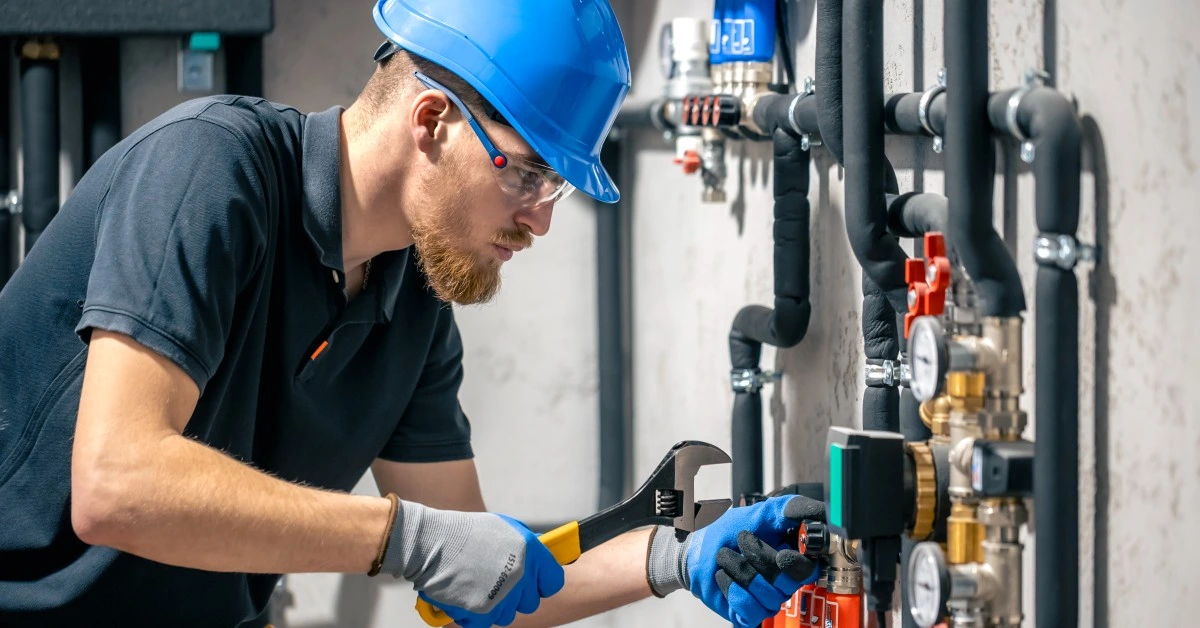
A plumbing inspection is a systematic check of your home’s water supply, drainage, hot water system and fixtures, carried out by a licensed plumber to find leaks, corrosion, blockages and code issues before they become expensive emergencies. Most residential inspections take between 45 minutes and two hours, depending on the size of the property and whether a sewer camera is used.
If you’ve never had one done, or you’re buying, selling, or renovating a property, this guide walks through exactly what a plumber checks, in what order, and what you’ll receive at the end.
Plumbing problems rarely announce themselves clearly. A slow drain, a slightly high water bill, or a faint damp smell can be early signs of something bigger — or nothing at all. An inspection is how you find out which one it is, before you’re calling an emergency plumber at 2am.
Haven’t had your plumbing checked in a while?
JG Wilson Emergency Plumbers offers thorough inspections across Sydney, day or night.
Why a Plumbing Inspection Matters
A plumbing system is mostly hidden — inside walls, under slabs, behind cabinets. Small issues like a corroding joint or a slow pinhole leak can develop for months without any visible sign, then fail suddenly. An inspection surfaces these issues while they’re still cheap and simple to fix.
Inspections are commonly booked for:
- Buying or selling a property — to identify defects before settlement or listing.
- Ageing homes — properties over 20–30 years old with original copper or galvanised pipework.
- After a renovation — to confirm new fittings and connections were installed correctly.
- Before extreme weather season — checking pressure and joints before summer heat or heavy rain stresses the system.
- Rental and strata properties — landlords and body corporates often schedule these to meet maintenance obligations and avoid disputes over pre-existing damage.
- Unexplained water bill increases — a strong sign of a hidden leak worth investigating.
Step-by-Step: What Happens During the Inspection
1. Initial Consultation
The plumber starts by asking about any issues you’ve already noticed — slow drains, gurgling noises, water pressure changes, or damp patches. This helps direct extra attention to the areas most likely to have a problem.
2. Visual Inspection of Fixtures
Every accessible tap, showerhead, toilet and fixture gets checked for leaks, drips, and correct operation. The plumber also looks at material and age — older galvanised steel or ageing copper fittings are flagged early, since these materials corrode over time and are common failure points in established Sydney suburbs.
3. Water Pressure Test
The plumber measures water pressure at multiple points in the home. Low pressure can point to a hidden leak, a blockage, or an issue with the mains supply. Pressure that’s too high puts ongoing strain on pipes, hoses and appliances, and is a common contributor to hose and joint failures over time.
4. Leak Detection
Beyond what’s visible, plumbers use moisture meters, thermal imaging, and acoustic listening devices to detect leaks hidden behind walls, under floors, or beneath slabs — without needing to open up finished surfaces.
5. Drain and Sewer Camera Inspection
A flexible camera is fed through drain and sewer lines to check for blockages, cracks, misaligned joints, and tree root intrusion. This is one of the most valuable parts of an inspection, since underground pipe damage is otherwise almost impossible to detect until a blockage or collapse occurs. If your drains have been slow lately, this step often explains why — our guide on why your drain keeps blocking covers the most common underlying causes.
6. Hot Water System Check
The plumber inspects the hot water unit for corrosion, leaks, correct temperature settings, and proper valve operation, including the pressure relief valve. Ageing or poorly maintained hot water systems are a frequent cause of after-hours callouts, so this step is worth taking seriously.
7. Shut-Off Valve Check
Every shut-off valve, including the main water valve, is tested to confirm it turns off cleanly. This matters more than most homeowners realise — in a genuine emergency, being able to isolate water quickly is what limits damage before a plumber arrives.
8. Backflow Prevention Testing
If your property has a backflow prevention device, it’s tested to confirm contaminated water can’t flow back into the clean water supply. This is a compliance requirement for many commercial properties and some residential setups in NSW.
9. Flexible Hose Check
Given how often flexible hoses fail suddenly and without warning, a thorough inspection includes checking the age and condition of any braided hoses under sinks, behind toilets, and at appliances
Worried about an ageing hot water system or old pipework?
JG Wilson’s expert plumbers inspect and report on your full plumbing system with no surprises, Cal now to get a fast quote
What You Receive Afterward
A proper plumbing inspection ends with a clear report, not just a verbal summary. Expect:
| Report Section | What It Covers |
| Issues found | Every defect identified, with severity ranked |
| Photos or camera footage | Visual evidence, especially for sewer camera findings |
| Maintenance recommendations | Steps to extend the system’s life and prevent future issues |
| Repair estimates | Cost and timeframe for any recommended work |
| Compliance notes | Any items that don’t meet current plumbing code, if relevant |
This document is useful well beyond the inspection itself — it’s commonly requested by insurers, used in property settlement negotiations, or kept as a maintenance record for future reference.
How Long Does a Plumbing Inspection Take?
Most standard residential inspections take 45 minutes to 2 hours. Larger homes, properties with extensive outdoor plumbing, or inspections that include a full sewer camera run can take longer. Commercial properties generally take longer again due to the scale of the system.
What Does a Plumbing Inspection Cost?
Costs vary based on property size, scope, and whether specialist equipment like a sewer camera or thermal imaging is used. A basic visual inspection sits at the lower end, while a comprehensive inspection with camera and leak-detection equipment costs more. It’s worth getting a clear quote upfront rather than assuming a flat rate applies to every property.
How Often Should You Get One?
| Property Type | Recommended Frequency |
| Newer homes (under 15 years) | Every 2 years |
| Older homes (15+ years, original pipework) | Annually |
| Rental or investment properties | Annually, or at tenant change |
| Before buying/selling | Always, as part of due diligence |
| After a major renovation | Once, post-completion |
How to Prepare for a Plumbing Inspection
- Clear access to key areas — under sinks, around the hot water system, and near the water meter.
- Note any recent issues — slow drains, odd smells, noises, or a rising water bill.
- List any recent work — renovations or DIY plumbing changes so the plumber can check them specifically.
- Have your property’s age and pipe material handy if you know it — this speeds up the assessment.
Signs You Shouldn’t Wait for a Scheduled Inspection
Some signs mean you need a plumber now, not at your next scheduled check. If you notice sudden low pressure, water stains spreading on a ceiling or wall, a spike in your water bill, or a toilet that won’t stop running, treat it as urgent. Our guide on signs you need a plumber breaks these down in more detail, and our blocked drains service covers fast diagnosis if drainage is the issue.
Notice a warning sign already?
Don’t wait for a scheduled check. JG Wilson Emergency Plumbers is available 24/7 across Sydney.
FAQs
How long does a plumbing inspection take?
Most residential inspections take between 45 minutes and 2 hours, depending on the property’s size and whether a sewer camera inspection is included.
Do I need a plumbing inspection before buying a house?
Yes, it’s strongly recommended. A standard building inspection often doesn’t cover hidden plumbing issues like ageing pipework or sewer line damage in the same depth a dedicated plumbing inspection does.
What’s the difference between a home inspection and a plumbing inspection?
A general home inspection covers the whole property at a surface level. A plumbing inspection is a specialist, in-depth check carried out by a licensed plumber, often including camera and pressure testing that a general inspector doesn’t perform.
Can a plumbing inspection find a hidden leak?
Yes. Plumbers use moisture meters, thermal imaging and acoustic detection equipment specifically to locate leaks that aren’t visible on the surface.
How often should rental properties be inspected?
Annually is a common standard, or whenever tenants change, to document the property’s condition and catch maintenance issues early.
What happens if the inspection finds a problem?
The plumber will explain the issue, its severity, and provide a repair estimate. Urgent issues, like an active leak or a failing hot water system, are usually flagged for immediate attention rather than left for a future visit.
A plumbing inspection is a structured, room-by-room and pipe-by-pipe check that finds problems while they’re still small and inexpensive to fix. From water pressure and hot water systems to hidden leaks and sewer lines, each step is designed to catch what you can’t see from the surface.
JG Wilson Emergency Plumbers has provided general and emergency plumbing services across Sydney since 1991, with fully licensed plumbers available 24/7. Whether you need a scheduled inspection or an urgent after hours plumber, call 02 9622 4888 or request a fast, free quote today.


Comments are closed