



 02 9622 4888
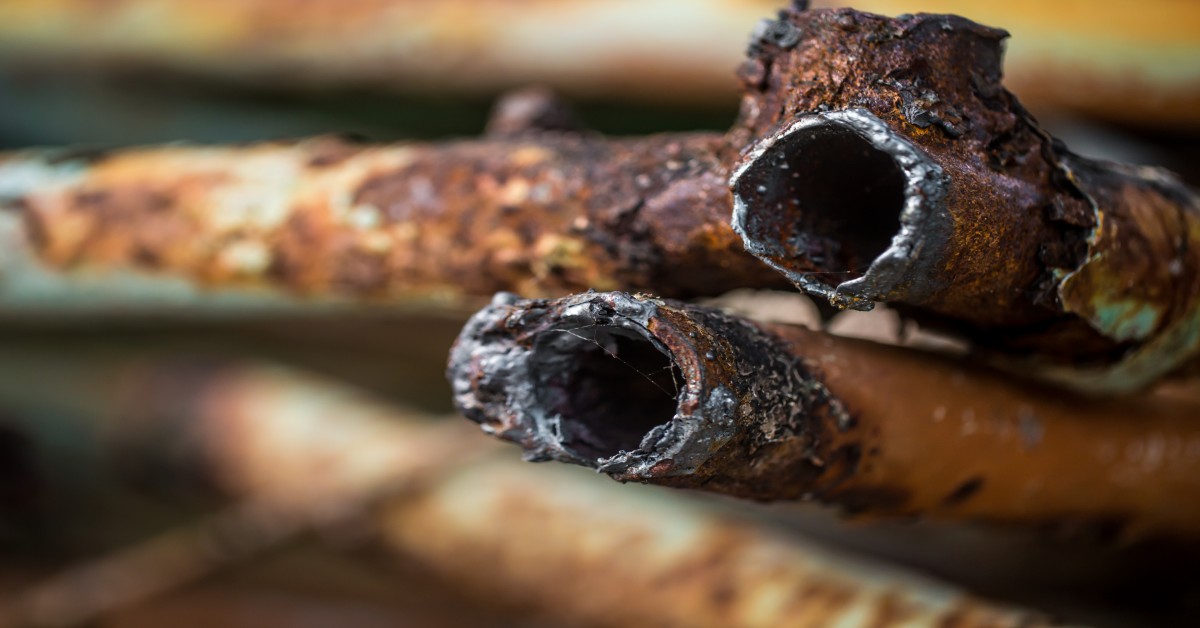
A burst flexible hose is a sudden, total failure of a short braided connector — usually under a sink, toilet or appliance — that can release hundreds of litres in minutes. A burst pipe is a failure in the home’s fixed water supply line, often building up slowly through corrosion, pressure or ground movement before it finally gives way. Both cause flooding, but they fail differently, get caused by different things, and need a different response.
Knowing which one you’re dealing with changes what you do in the first five minutes — and that’s often the difference between a quick clean-up and a five-figure water damage bill.
This guide compares the two side by side, using patterns seen in real Sydney callouts, so you can identify what’s happening in your home and respond correctly before help arrives.
What Is a Flexible Hose?
A flexible hose — often called a “flexi hose” — is a short, braided connector that links a tap, toilet cistern, dishwasher or washing machine to the water supply. It’s typically made from an inner rubber or PEX core wrapped in a stainless steel or nylon braid, and it’s chosen specifically because it bends into tight spaces where a rigid copper or PVC pipe can’t reach.
What Is a Pipe?
A pipe is the fixed, rigid plumbing that carries water through your home’s walls, floors and ceiling cavities. In Sydney homes, this is usually copper, PVC, or older galvanised steel in pre-1980s properties. Pipes are designed as permanent infrastructure, meant to last decades without being touched.
Burst Flexible Hose vs Burst Pipe: Side-by-Side Comparison
| Factor | Flexible Hose | Fixed Pipe |
| Typical lifespan | 5–10 years | 25–70+ years depending on material |
| Failure pattern | Sudden, catastrophic | Often gradual, then sudden |
| Common location | Under sinks, behind toilets, at appliances | Inside walls, under slabs, in ceiling cavities |
| Usual cause | Corrosion of braid, kinking, poor installation, water hammer | Corrosion, tree root pressure, ground movement, freezing, ageing joints |
| Warning signs beforehand | Often none — fails without notice | Damp patches, discoloured water, banging noises, rising water bills |
| Speed of water loss | Very high — full mains pressure through a wide-open failure point | Varies — pinhole leaks are slow, full ruptures are fast |
| Visibility | Usually hidden until it fails | Often hidden inside walls or under the slab |
| Typical repair | Hose replacement, usually straightforward | Section repair, relining, or full pipe replacement |
Why Flexible Hoses Fail Without Warning
This is the aspect most homeowners get wrong: they assume a burst always gives some warning, like a growing damp patch. Flexi hoses usually don’t. Here’s why.
Braid Corrosion
The outer stainless steel braid protects the rubber core inside. Once that braid corrodes — often from years of moisture and mineral exposure under a sink — it stops reinforcing the hose. The rubber core can then blow out under full mains pressure with no visible change beforehand.
Age Beyond Its Design Life
Most flexible hoses are only rated for five to ten years. Many households have no idea when theirs was installed, especially if it came with the property. A hose that looks fine on the outside can be well past its structural limit on the inside.
Installation Errors
A hose bent past its safe radius, kinked to fit a tight space, or installed under tension is weakened from day one. This kind of damage isn’t visible once the appliance or cabinet is back in place, which is why DIY appliance installs are a common cause of early failures.
Water Hammer and Pressure Spikes
Every time a tap or valve closes quickly, a pressure spike — known as water hammer — travels back through the line. Hot water systems can also build static pressure during the heating cycle that exceeds normal mains pressure. Repeated spikes stress a hose far more than steady water pressure does, accelerating failure.
Why Pipes Burst Differently
Fixed pipes generally fail for structural or environmental reasons rather than manufacturing limits.
Corrosion From the Inside Out
Copper and galvanised steel pipes corrode gradually over decades. A pinhole leak often develops first, small enough to go unnoticed inside a wall until it eventually widens into a full rupture.
Ground Movement and Tree Roots
Sydney’s clay-heavy soil expands and contracts with rainfall, putting stress on pipe joints below the slab. Tree roots seeking moisture can also crack ageing pipework, particularly in older suburbs with mature street trees.
Extreme Temperature Changes
Sudden cold snaps can cause water inside a pipe to contract and put stress on joints, particularly in exposed external pipework — a less common but real risk during Sydney’s cooler months.
Ageing Fittings and Joints
Older homes with original 1960s–80s plumbing often have joints reaching the end of their functional life, even if the pipe itself still looks structurally sound.
Not sure if it’s a hose or a pipe?
JG Wilson’s after hours plumbers diagnose the exact cause fast, day or night.
Call 02 9622 4888.
How to Tell Which One You Have
Voice search users often ask this directly, so here’s the plain answer: check location first, then check speed.
- Check the source. If water is spraying from under a sink, behind a toilet, or near a washing machine or dishwasher, it’s almost certainly a flexi hose.
- Check the wall or floor. If water is coming through a wall, ceiling, or up from under the slab with no visible connector nearby, it’s more likely a fixed pipe.
- Check the speed. A sudden gush with no prior warning points to a hose. A leak that’s grown over days or weeks, with damp patches or a rising water bill, points to a pipe.
- Check the sound. Banging, hissing or whistling in the walls when water runs typically indicates pressure issues in the fixed pipework rather than a hose connector.
What To Do Immediately (Both Scenarios)
- Shut off the water. Use the isolation valve under the fixture for a hose failure, or the main shut-off valve at the meter if you can’t locate the source.
- Cut the power to any nearby electrical outlets or appliances if water has reached them, but only if it’s safe to do so.
- Move valuables away from the water and start removing standing water with towels or a wet-dry vacuum.
- Photograph the damage before clean-up begins — this matters for your insurance claim.
- Call a licensed emergency plumber. Don’t attempt a permanent fix yourself, especially on fixed pipework, as an incorrect repair can void your insurance cover.
If your bathroom is affected, our team also handles related bathroom plumbing repairs once the immediate emergency is resolved.
Insurance: What’s Usually Covered
Most Australian home insurance policies cover sudden, accidental water damage from a burst pipe or hose. However, cover typically excludes damage caused by gradual wear you knew about and didn’t repair, or damage linked to a lack of general maintenance. Document the incident, note the approximate cause, and contact your insurer promptly — the sooner you report it, the smoother the claims process tends to be
Repair Costs: What Influences the Price
| Factor | Impact on Cost |
| Type of failure | Hose replacement is generally cheaper than pipe repair |
| Location | Under-slab or in-wall pipe access adds cost |
| Extent of water damage | Drying, mould treatment and rebuilding add significantly |
| Emergency vs scheduled call-out | After-hours emergency repairs typically cost more than scheduled work |
| Pipe material and age | Older galvanised systems may need broader replacement, not just a spot fix |
Get a clear, upfront quote before any work starts.
JG Wilson Emergency Plumbers offers fixed-rate pricing on all blocked drains and burst pipe repairs
Prevention: Reducing the Risk of Both
- Replace flexi hoses every 5 years, even if they look fine — age is the biggest risk factor, not appearance.
- Avoid tight kinks or bends when installing appliances; a hose bent past its rated radius fails faster.
- Install a pressure limiting valve if your home doesn’t already have one, since consistently high mains pressure stresses both hoses and fixed pipework.
- Book a plumbing inspection every couple of years, particularly for homes with original pipework or hoses of unknown age.
- Watch your water bill. An unexplained increase is often the first sign of a slow pipe leak before it becomes a full burst.
Regular checks through our maintenance plumbing service can catch a failing hose or ageing pipe before it becomes an emergency.
FAQs
minutes. A pipe burst inside a wall or under a slab can cause more hidden, long-term structural damage before it’s noticed. Both need urgent attention.
Does home insurance cover both types of bursts?
Generally yes, if the failure was sudden and accidental. Damage linked to poor maintenance or a leak you were already aware of is usually excluded, so check your specific policy wording.
Can I replace a burst flexi hose myself?
It’s possible for a simple like-for-like swap if you’re confident and the water is already isolated, but incorrect installation is a leading cause of future failures. A licensed plumber can also check for underlying pressure issues at the same time.
What’s the average cost to fix a burst pipe in Sydney?
Costs vary widely depending on the pipe’s location and the extent of water damage, ranging from a straightforward spot repair to a larger job requiring wall or slab access. A licensed plumber can provide an accurate quote after inspection.
A burst flexible hose and a burst pipe both cause flooding, but they come from different weaknesses in your plumbing system — one from a short-life connector, the other from ageing fixed infrastructure. Knowing the difference helps you react faster and communicate clearly with your plumber and insurer.
If you’re dealing with either right now, don’t wait it out. JG Wilson Emergency Plumbers has provided 24/7 general and emergency plumbing across Sydney since 1991, with fully licensed plumbers ready to respond any hour of the day.
Call 02 9622 4888 or get a fast, free quote to get your home back under control.


Comments are closed