



 02 9622 4888
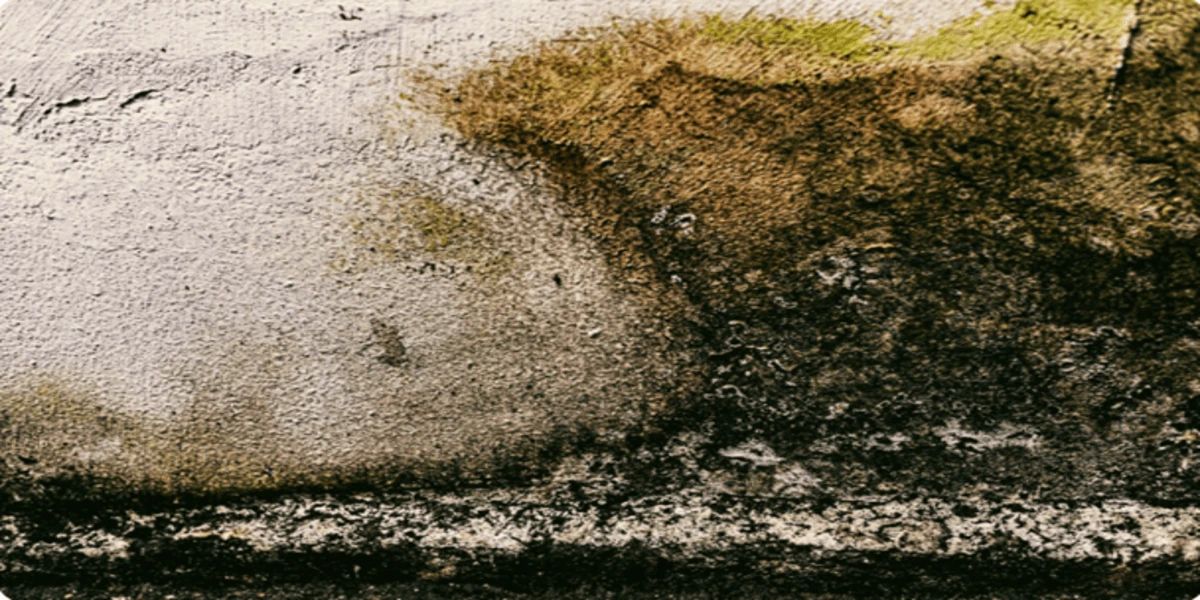
Mould can begin growing within 24 to 48 hours after a water leak under the right conditions.
That means a leaking roof, burst pipe, overflowing drain, or even a slow dripping tap can quickly turn into a serious mould problem inside walls, ceilings, flooring, insulation, and timber framing.
Many Sydney homeowners assume mould only appears after major flooding. In reality, even small hidden leaks can create enough trapped moisture for mould spores to spread rapidly.
The biggest danger is that mould often starts growing long before you can actually see it.
By the time visible black spots appear on walls or ceilings, moisture damage may already be extensive.
This guide explains:
- How quickly mould grows after water exposure
- What conditions accelerate mould growth
- Early warning signs homeowners miss
- Health risks linked to indoor mould
- How to stop mould after a plumbing leak
- When to call emergency plumbers immediately
How Fast Does Mould Grow?
| Time After Leak | What Happens |
| 0-24 hours | Materials become damp and absorb moisture |
| 24-48 hours | Mould spores can begin colonising surfaces |
| 48-72 hours | Visible mould growth may start appearing |
| 3-7 days | Rapid spread inside walls, ceilings, insulation |
| 1-2 weeks | Strong odours, staining, structural |
| Several weeks | Serious mould contamination and health risks |
According to the US Environmental Protection Agency (EPA), mould growth can begin within 24–48 hours in wet conditions.
Why Mould Grows So Quickly After Water Leaks
Mould spores already exist naturally in indoor air.
They become dangerous when three things combine:
- Moisture
- Organic material
- Poor ventilation
A water leak creates the perfect environment.
Common household materials that feed mould include:
- Plasterboard
- Timber
- Carpet underlay
- Ceiling insulation
- Dust
- Paint
- Fabric
- Particleboard
Sydney’s humid climate can make the problem even worse, especially during warmer months.
Hidden leaks are particularly dangerous because moisture remains trapped for long periods without detection.
The Most Common Water Leaks That Cause Mould in Sydney Homes
Roof Leaks
Roof leaks are one of the biggest causes of hidden mould growth.
Water often enters:
- Ceiling cavities
- Roof insulation
- Internal wall cavities
- Timber framing
Homeowners may only notice:
- Slight ceiling stains
- Bubbling paint
- Damp smell during rain
But inside the ceiling, mould may already be spreading rapidly.
Leaking Taps and Hidden Pipe Leaks
Small leaks are often more dangerous than sudden flooding because they continue unnoticed for weeks or months.
Common hidden leak locations include:
- Under sinks
- Behind bathroom walls
- Inside cabinetry
- Beneath flooring
- Laundry plumbing connections
Even a slow drip can create continuous moisture buildup.
Burst Pipes
Burst pipes release large amounts of water quickly.
Water can spread into:
- Flooring systems
- Wall cavities
- Electrical areas
- Subfloors
- Adjacent rooms
If drying does not begin immediately, mould growth can accelerate within days.
Blocked Drains and Sewer Backups
Blocked drains can create contaminated water exposure combined with excessive moisture.
This type of water damage is especially dangerous because bacteria and mould can spread together.
Water Leak in Your Home?
Fast leak repairs reduce mould risk dramatically.
JG Wilson Emergency Plumbers provides emergency leak detection, roof leak repairs, burst pipe repairs, and blocked drain services across Sydney.
Where Mould Usually Starts Growing First
Many homeowners only look for mould on visible walls.
But mould commonly begins in hidden areas first.
High-Risk Areas Include:
| Area | Why Mould Develops |
| Ceiling cavities | Trapped roof leak moisture |
| Behind bathroom walls | Hidden pipe condensation |
| Under carpets | Slow drying and poor airflow |
| Timber subfloors | Persistent dampness |
| Inside cupboards | Limited ventilation |
| Around leaking taps | Constant moisture exposure |
| Air conditioning ducts | Condensation buildups |
This hidden growth is why professional leak detection is often necessary.
Early Signs of Mould After a Water Leak
Visible mould is usually a late-stage symptom.
Watch for these earlier warning signs:
Musty or Damp Smells
A persistent earthy smell often appears before visible mould develops.
If the smell worsens:
- After rain
- In humid weather
- Near bathrooms
- Near ceilings
…there may already be hidden mould growth.
Bubbling Paint or Peeling Walls
Moisture trapped behind paint can cause:
- Bubbling
- Cracking
- Warping
- Discolouration
These signs often indicate water intrusion inside walls.
Water Stains
Yellow, brown, or dark stains on:
- Ceilings
- Walls
- Cornices
- Skirting boards
…can signal ongoing moisture exposure.
Increased Allergy Symptoms
Indoor mould exposure may trigger:
- Sneezing
- Coughing
- Eye irritation
- Headaches
- Asthma flare-ups
Some homeowners notice symptoms improve when leaving the property.
Why Delaying Leak Repairs Makes Mould Worse
The biggest mistake homeowners make is delaying repairs while “monitoring the issue.”
Mould growth becomes harder and more expensive to remove over time.
What Starts as a Small Leak Can Lead To:
| Problem | Potential Consequence |
| Wet plasterboard | Full wall replacement |
| Damp timber | Rot and structural weakening |
| Ceiling moisture | Ceiling collapse risk |
| Mould contamination | Professional remediation |
| Wet insulation | Reduced thermal efficiency |
| Electrical moisture exposure | Fire or shock hazards |
The cost difference between:
- repairing a small leak early
and - repairing widespread mould damage later…
…can easily reach thousands of dollars.
How to Reduce Mould Risk Immediately After a Leak
1. Stop the Water Source
This is the first priority.
Turn off:
- Water supply
- Isolated valves
- Appliances if necessary
Then arrange urgent plumbing repairs.
2. Begin Drying Immediately
The first 24–48 hours matter most. Use
- Fans
- Dehumidifiers
- Ventilation
- Airflow
Remove:
- Wet rugs
- Damp fabrics
- Saturated materials
3. Don’t Ignore Small Leaks
Small leaks often create worse mould problems because they remain hidden longer.
Even a leaking tap or slow pipe drip can feed mould continuously.
4. Check Adjacent Rooms
Water spreads further than most people realise. Inspect:
- Nearby walls
- Flooring joins
- Built-in wardrobes
- Ceiling corners
5. Arrange Professional Leak Detection
If you cannot identify the moisture source, professional leak detection becomes critical.
Undetected leaks allow mould growth to continue behind surfaces.
Suspect Hidden Water Damage?
JG Wilson Emergency Plumbers uses advanced leak detection technology to locate hidden plumbing leaks before mould damage spreads further.
Can Mould Return After Cleanup?
Yes — if the original moisture source is not fully repaired.
This is why surface cleaning alone often fails.
Homeowners sometimes:
- Wipe visible mould
- Paint over stains
- Use supermarket mould sprays
…but hidden moisture continues feeding new mould growth underneath.
Successful mould prevention requires:
- Stopping the water source
- Drying materials completely
- Removing contaminated materials if necessary
- Improving ventilation
Without proper moisture control, mould usually returns.
When Should You Call a Plumber Instead of a Mould Cleaner?
Many mould problems actually begin as plumbing problems.
Call a plumber immediately if you notice:
- Ongoing damp patches
- Water stains growing larger
- Ceiling leaks
- Reduced water pressure
- Dripping sounds behind walls
- Wet flooring
- Sudden mould appearing repeatedly
Fixing the leak early is often far cheaper than large-scale mould remediation later.
JG Wilson Emergency Plumbers helps Sydney homeowners identify and repair the underlying water source before mould damage escalates.
FAQs
How quickly can mould grow after a water leak?
Mould can begin growing within 24 to 48 hours if moisture remains trapped and ventilation is poor.
Can a small leak cause mould?
Yes. Slow leaks are often worse because they remain unnoticed longer and create continuous moisture buildup.
Is mould after a water leak dangerous?
It can be. Indoor mould exposure may contribute to respiratory irritation, allergies, asthma symptoms, and poor indoor air quality.
Will mould go away once the leak stops?
Not necessarily. Existing mould colonies can continue spreading unless the area is fully dried and cleaned properly.
What does mould from a water leak smell like?
Most homeowners describe it as musty, damp, earthy, or similar to wet cardboard.
Should I replace wet plasterboard?
If plasterboard remains saturated for extended periods, replacement is often necessary to prevent ongoing mould contamination.
Can mould grow behind walls?
Yes. Hidden mould behind walls and ceilings is extremely common after plumbing or roof leaks.
Who should I call first after a water leak?
Call a licensed emergency plumber first to stop the water source and reduce further damage.
Mould growth after a water leak happens far faster than most homeowners realise.
In many cases:
- mould begins within 24–48 hours,
- hidden damage develops within days,
- and serious remediation costs follow within weeks.
The faster the leak is repaired, the lower the risk of:
- structural damage,
- indoor air contamination,
- expensive remediation,
- and long-term property issues.
Whether the issue involves a leaking roof, hidden pipe leak, burst pipe, or dripping tap, fast professional repairs matter.
JG Wilson Emergency Plumbers provides emergency plumbing, leak detection, roof leak repairs, and water damage response services across Sydney.


Comments are closed